
New on the Hill:
Sister Thea Bowman Hall
This fall, Saint Joseph’s celebrated the grand opening of its stunning and expansive new first-year residence hall, Sister Thea Bowman Hall.
Written by: Emmalee Eckstein
In recent years, Saint Joseph’s University has made significant progress enhancing the student experience on Hawk Hill through strategic capital projects.
The latest in an impressive portfolio aimed at maximizing campus life for students is Sister Thea Bowman Hall — a brand new residence for more than 500 first-year students that runs on geothermal energy.
Modern Amenities Wrapped in a Classic Aesthetic
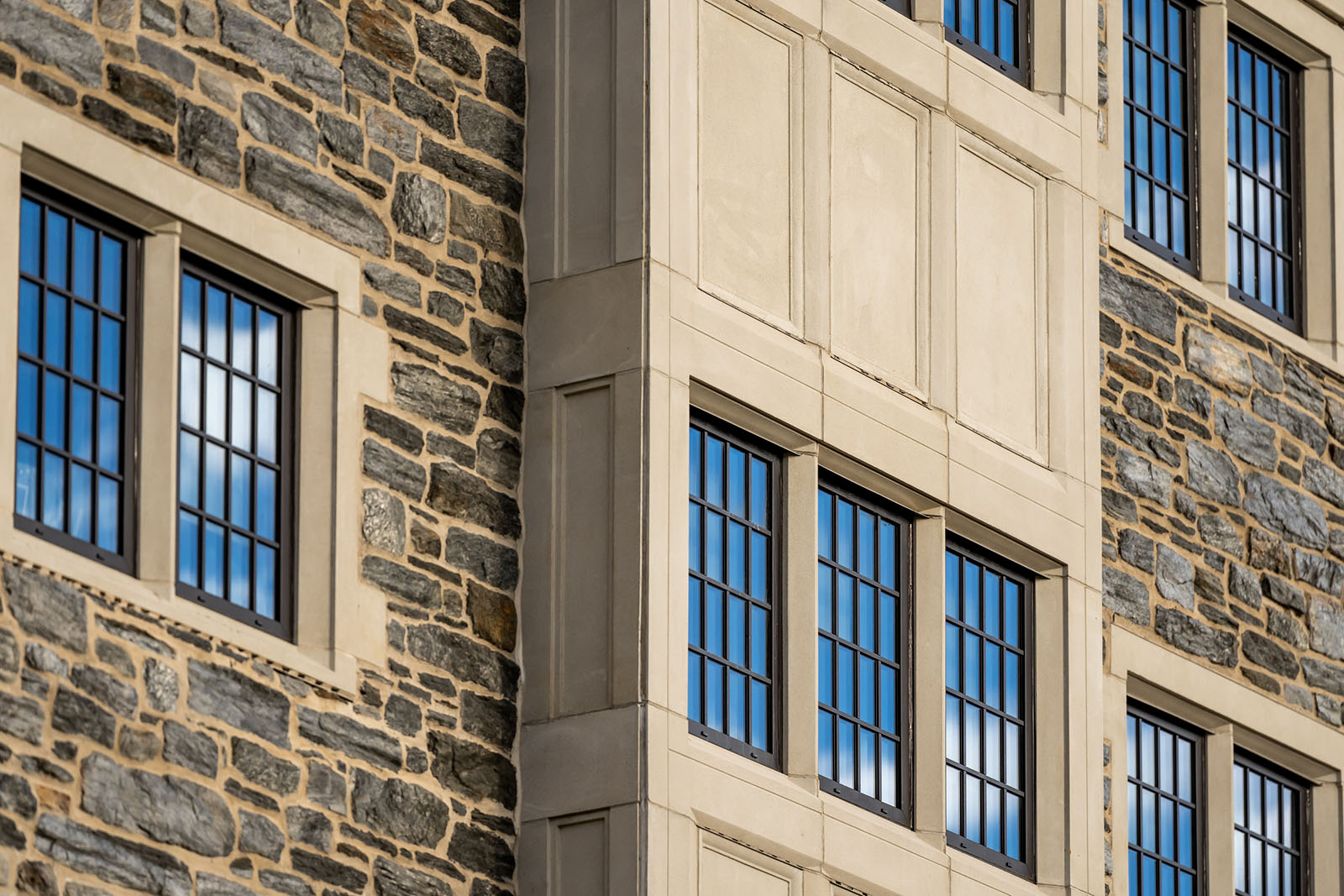
The facade of Sister Thea Bowman Hall was hand-laid by more than 100 stonemasons to compliment the aesthetic of the Traditional Collegiate Gothic architecture of Barbelin Hall. While the exteriors boast a regal and classical look, the expansive interior is host to top-of-the-line features.
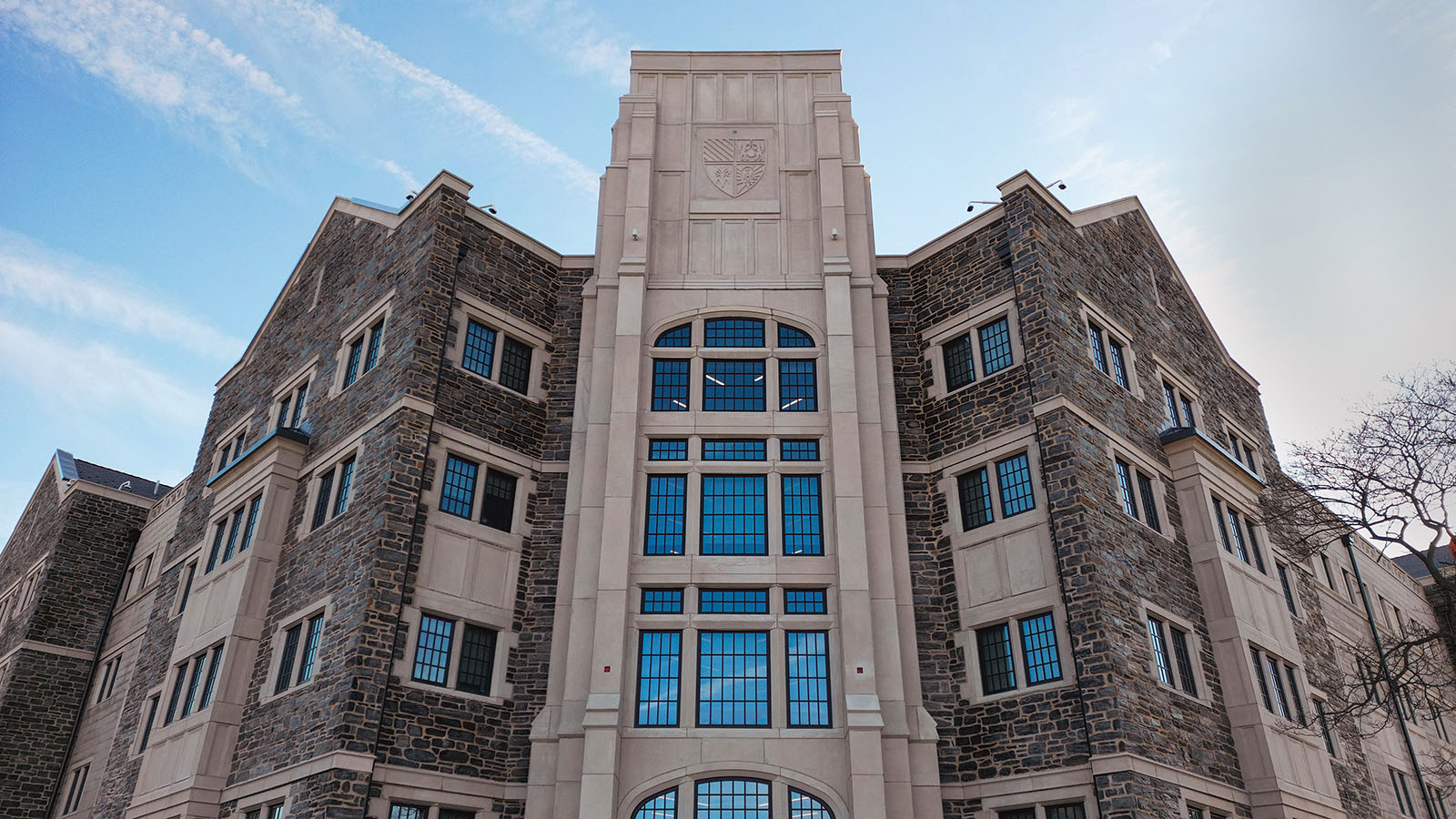
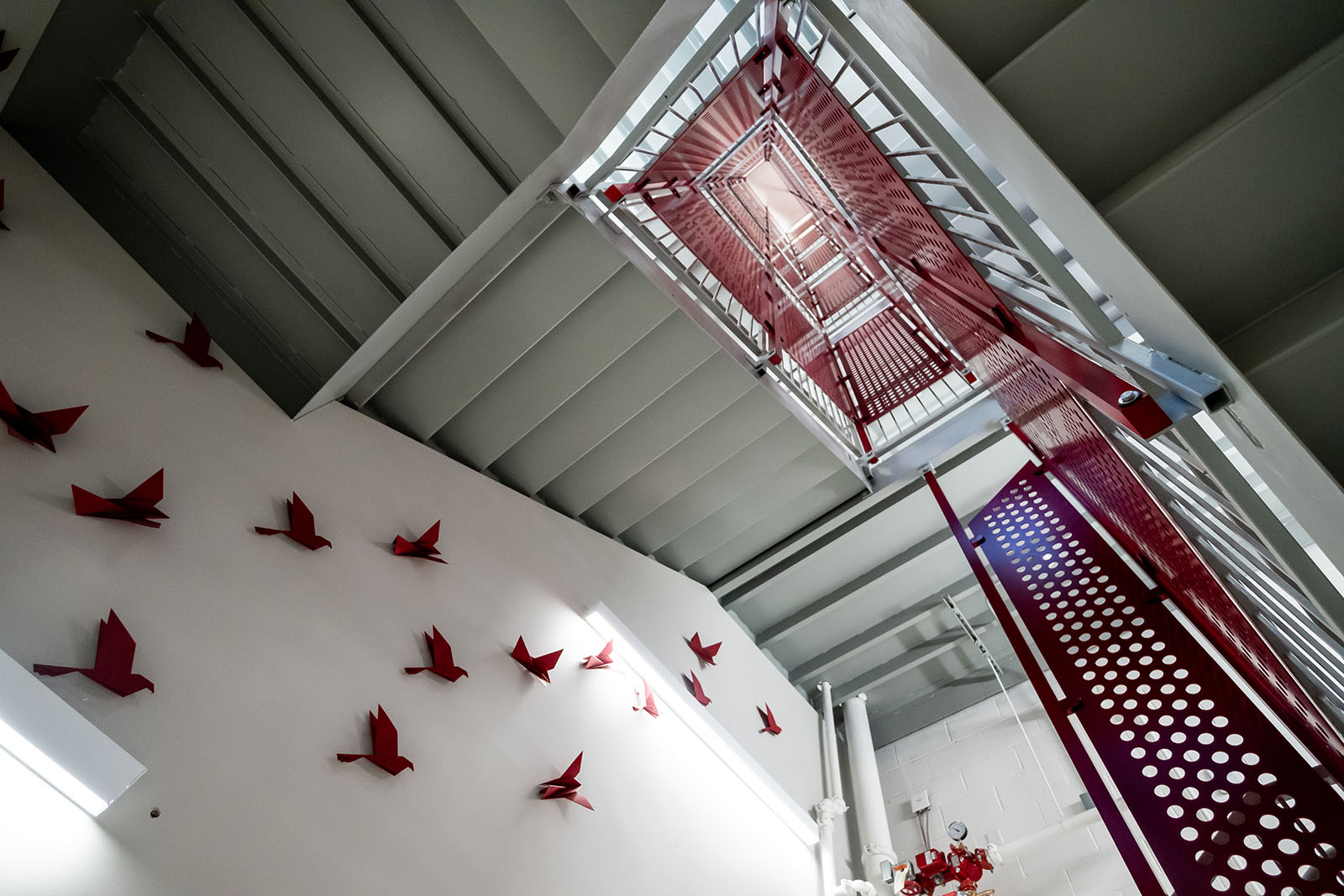
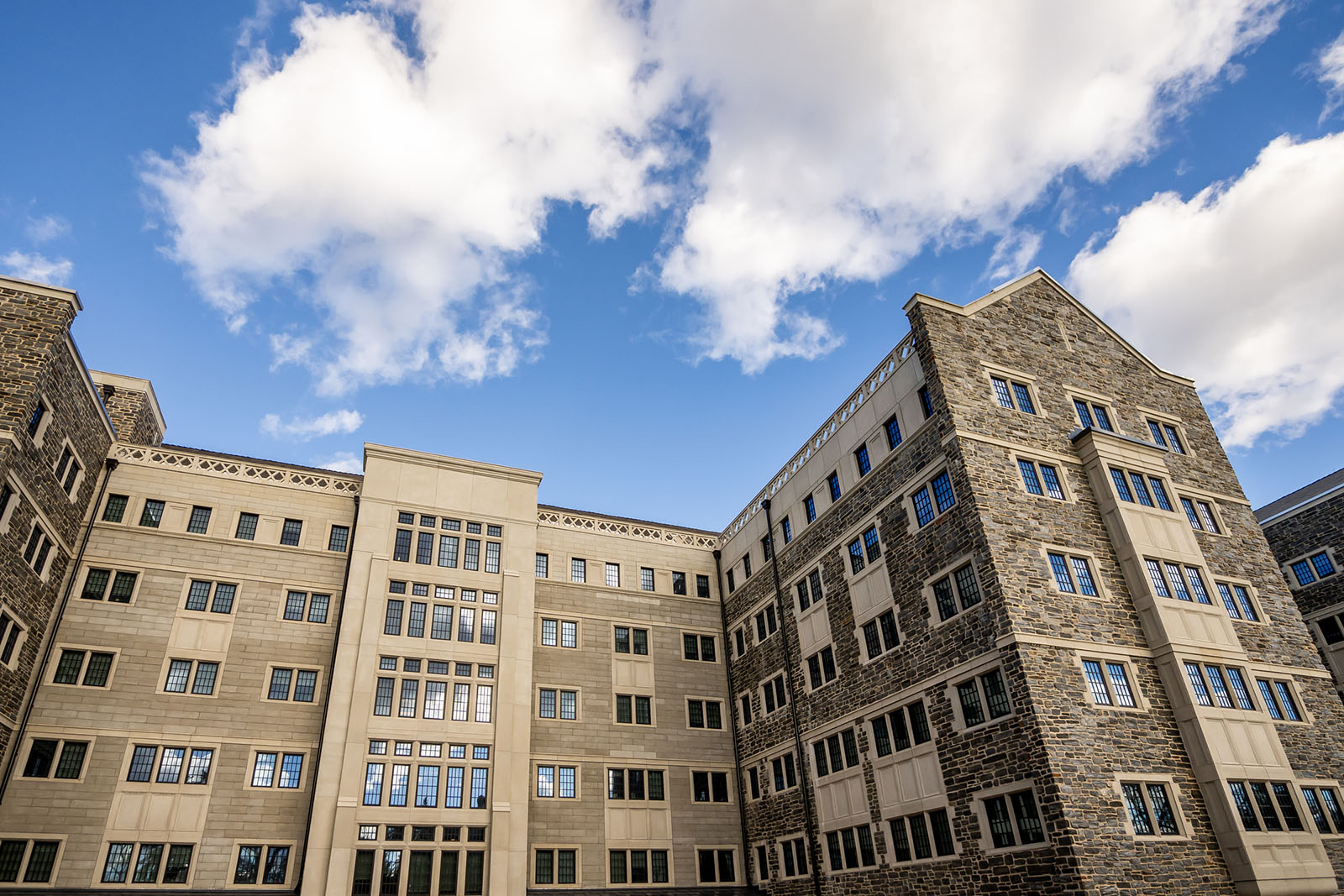
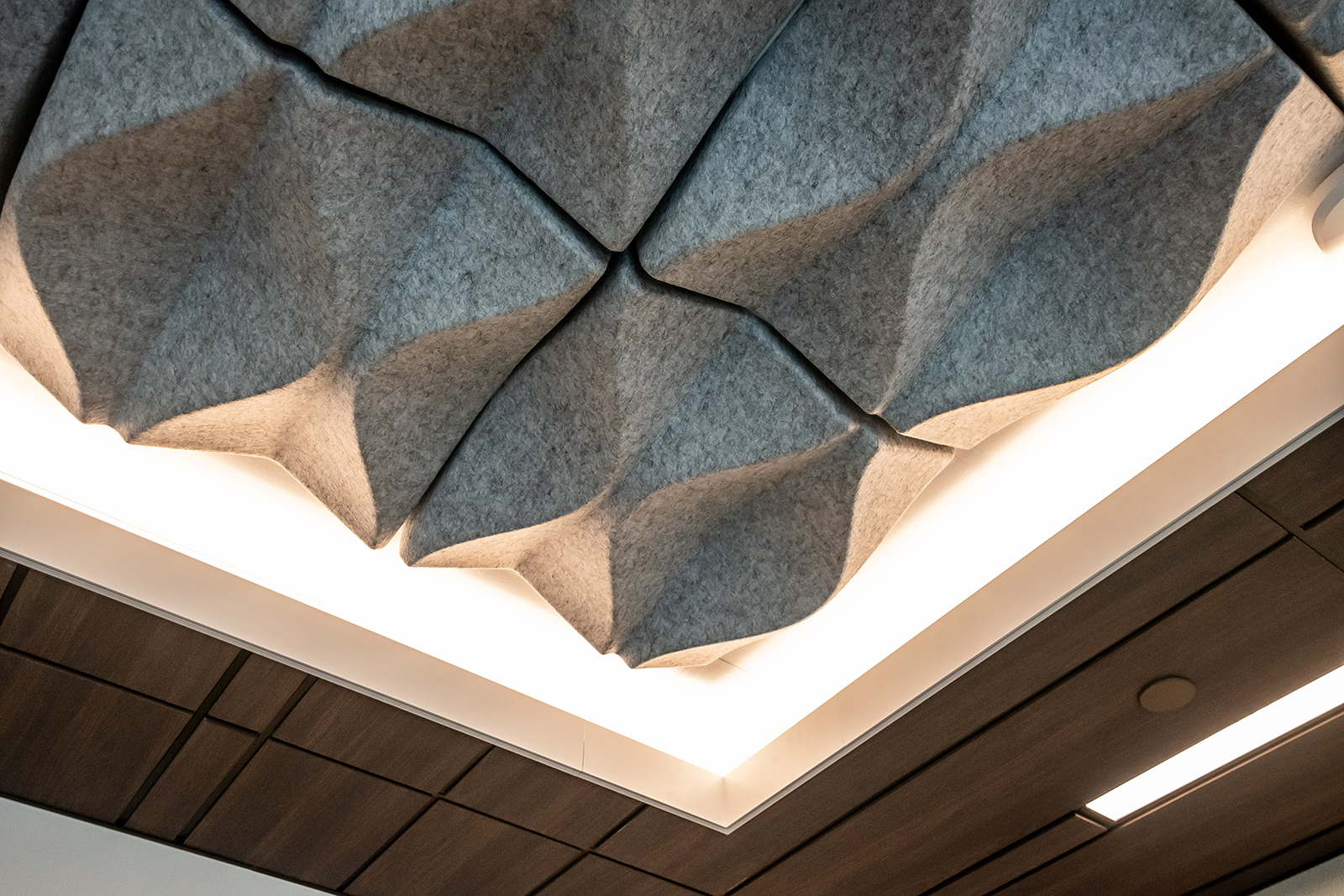
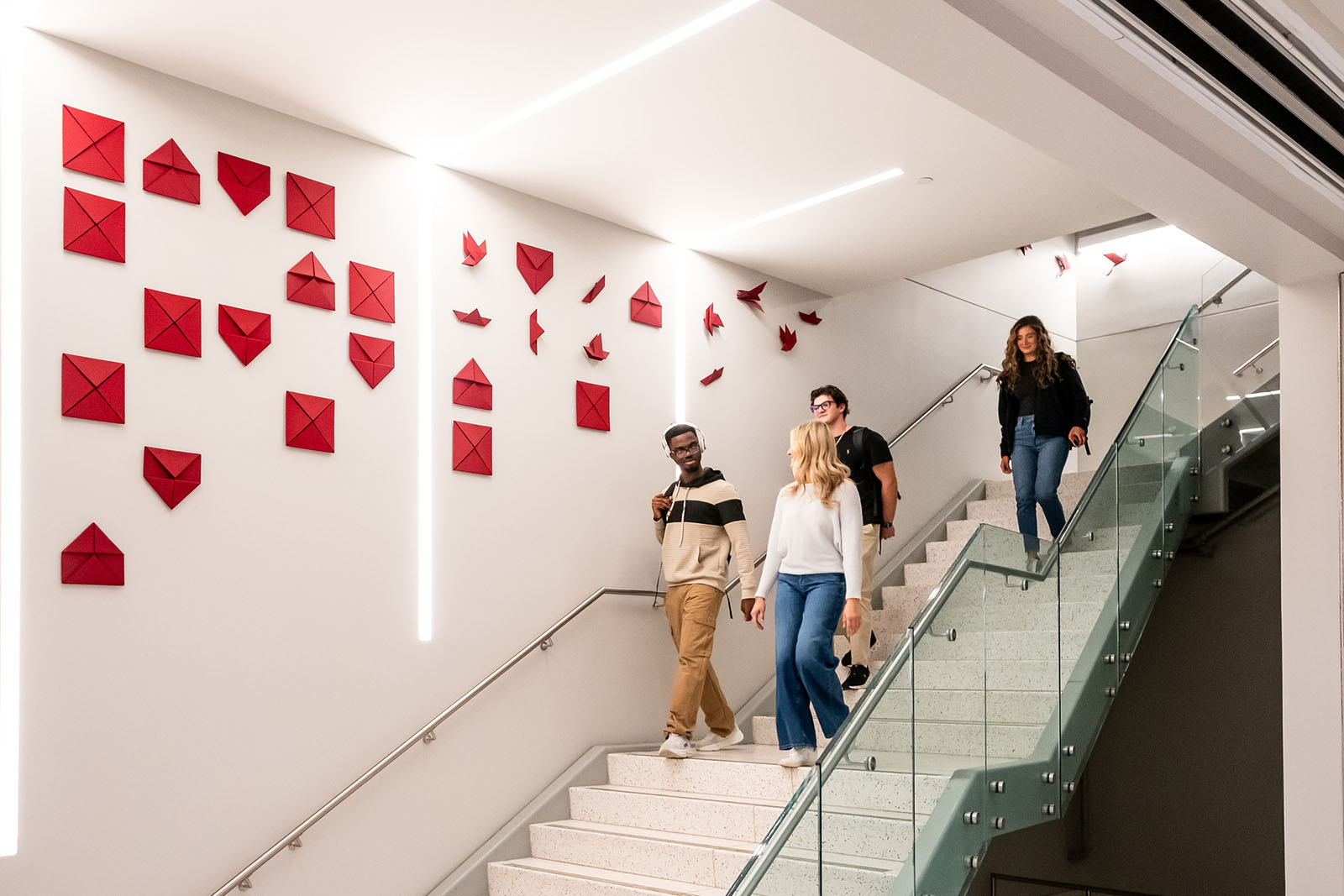
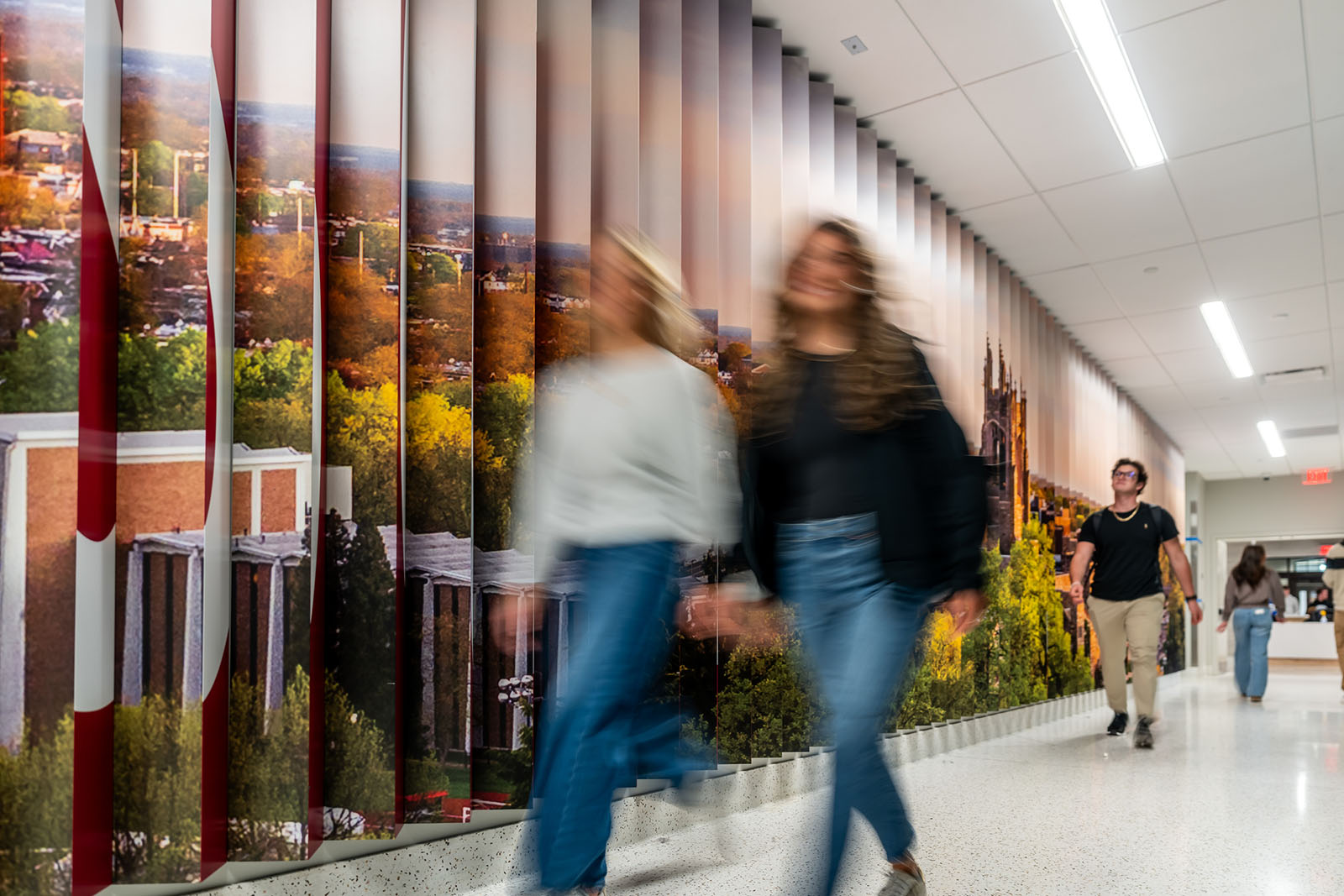
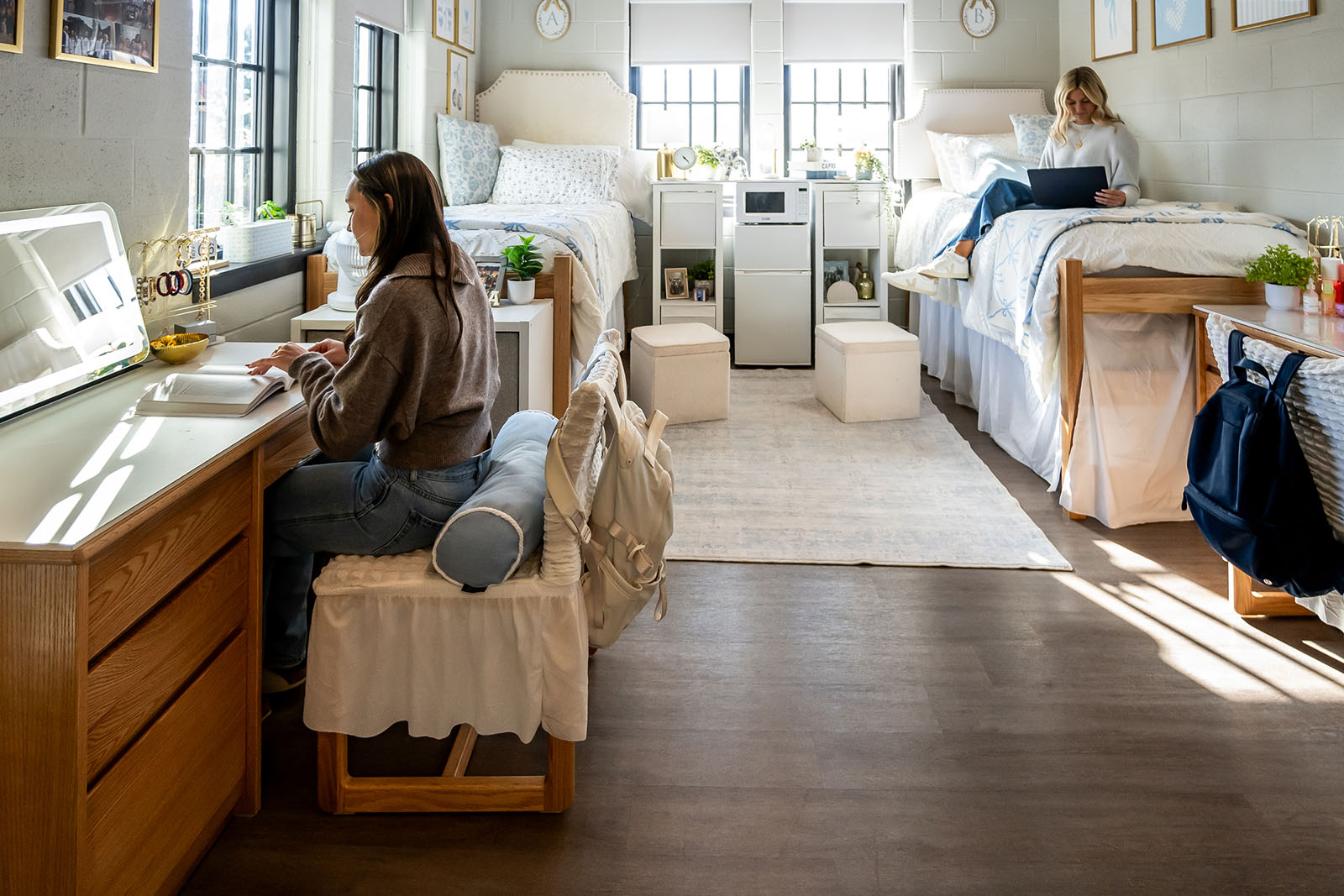
Sister Thea Bowman Hall is home to over 578 first-year students, as well as the Health Professions Residential Learning Community and McConnell Scholars community. The majority of students reside in double, shared rooms that have their own heating and cooling units, as well as 24/7 security.
A Commitment to Sustainability
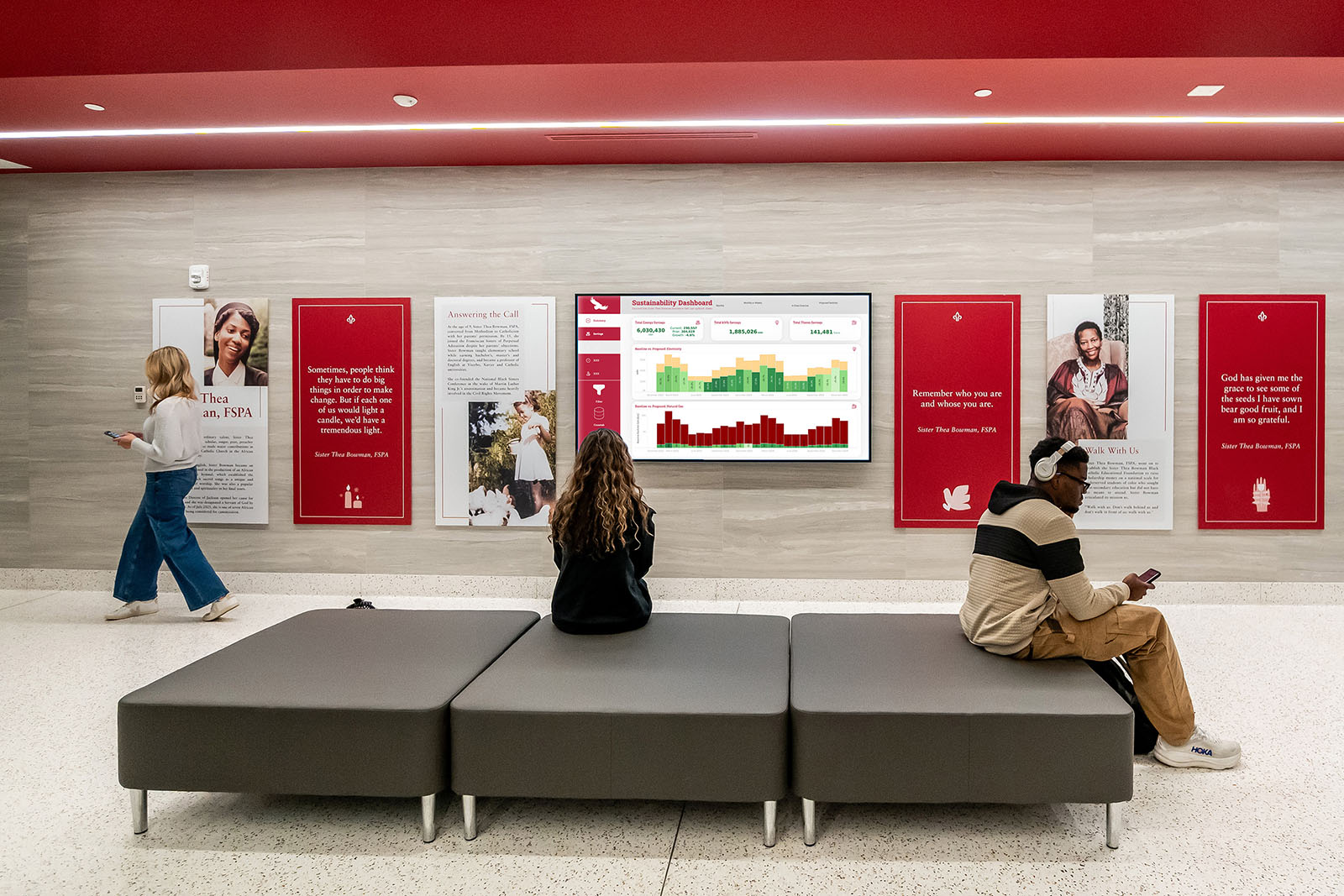
Sister Thea Bowman Hall is the first building on campus to use eco-friendly innovations like geothermal energy, underground stormwater retention systems and a bioretention basin to facilitate a more sustainable residential experience for first-year students. The building is on its way to earning a LEED certification, as it diverted 70% of its construction waste from a landfill, and used materials that reduce concentrations of chemical contaminants that can damage air quality, human health and the environment.
Trees that needed to be removed during construction were repurposed into furniture. In addition, 434 new trees have been planted to offset the impact of construction. They will create lush green spaces and improve air quality for the University community.


Centered on Community
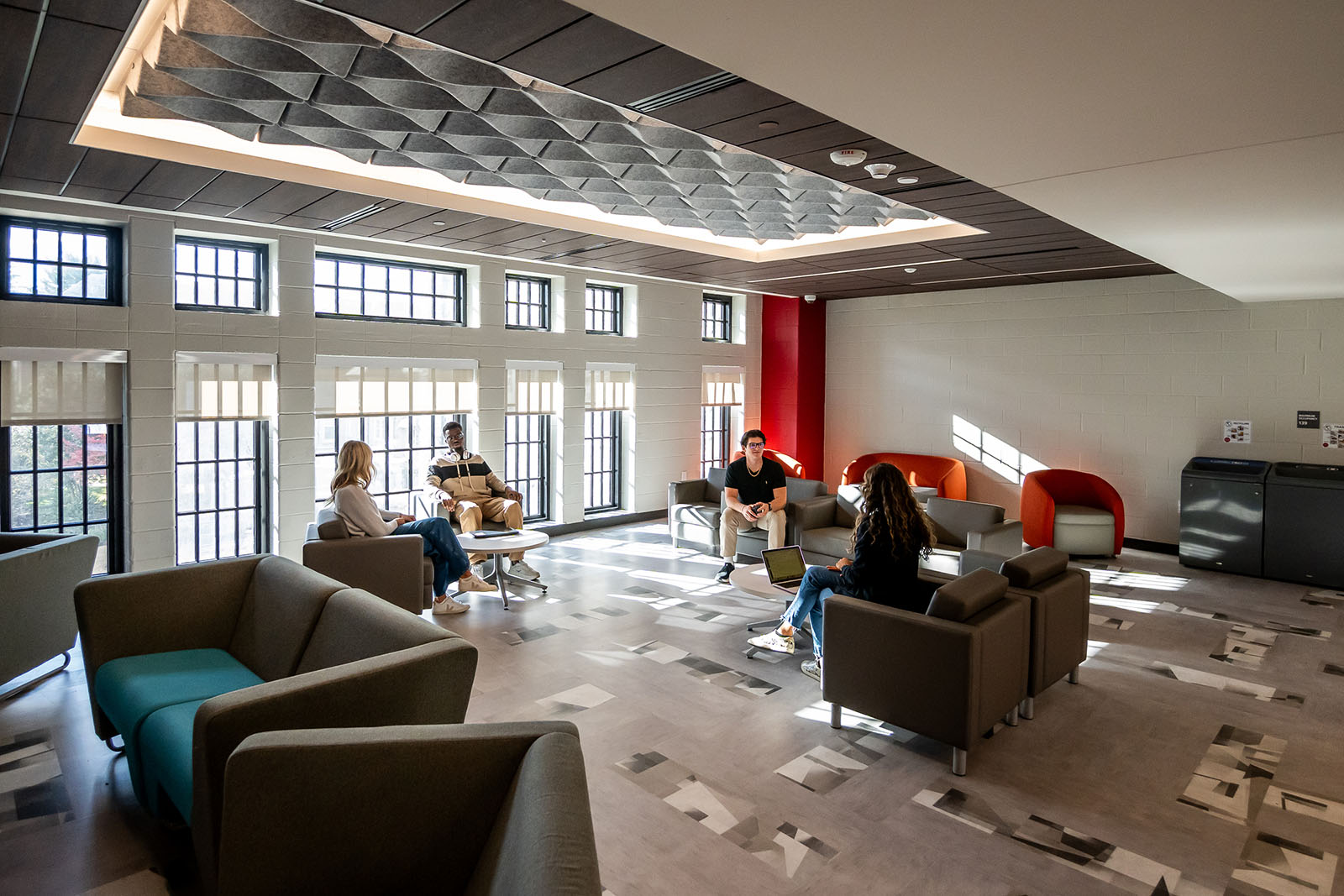
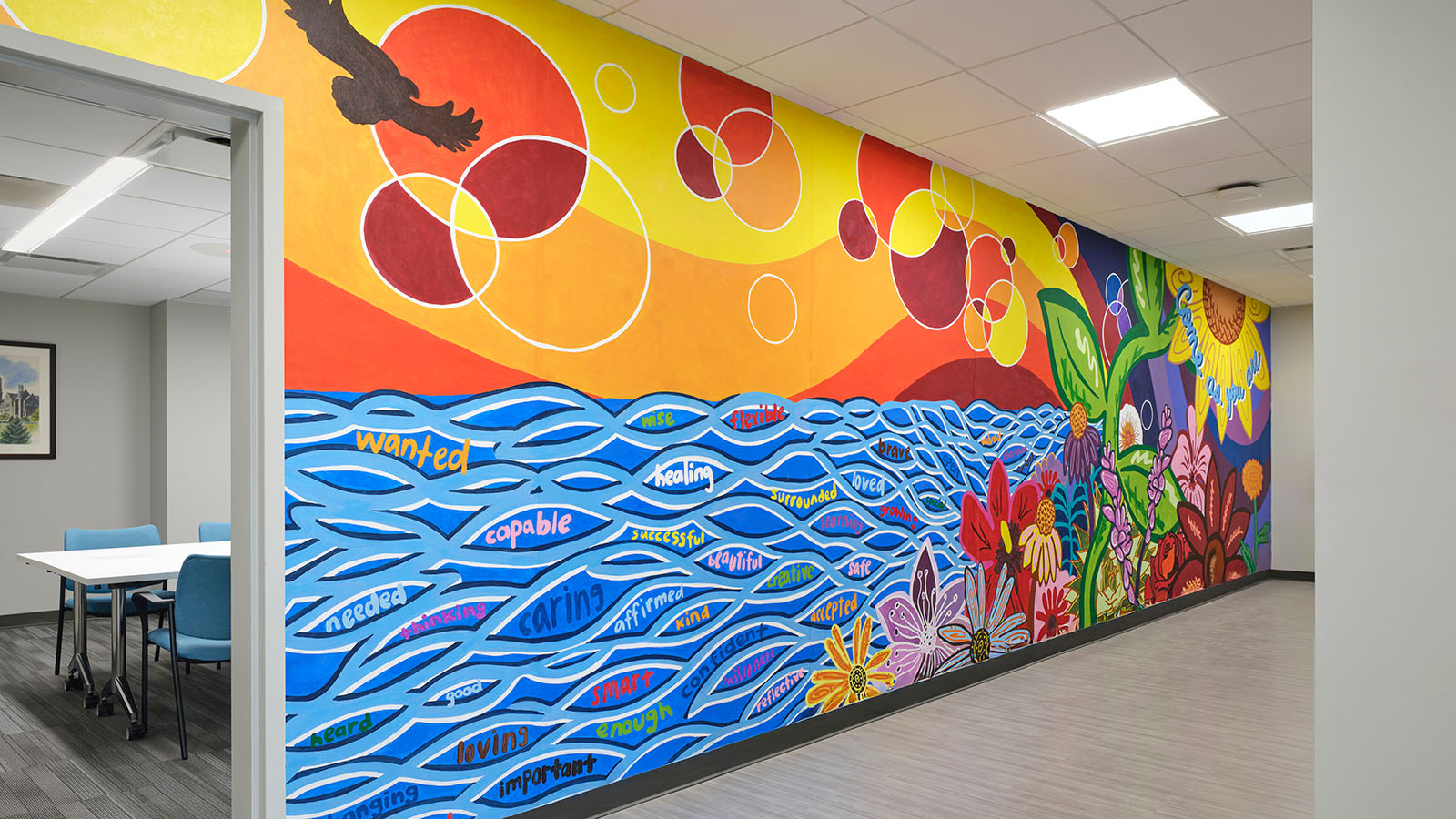
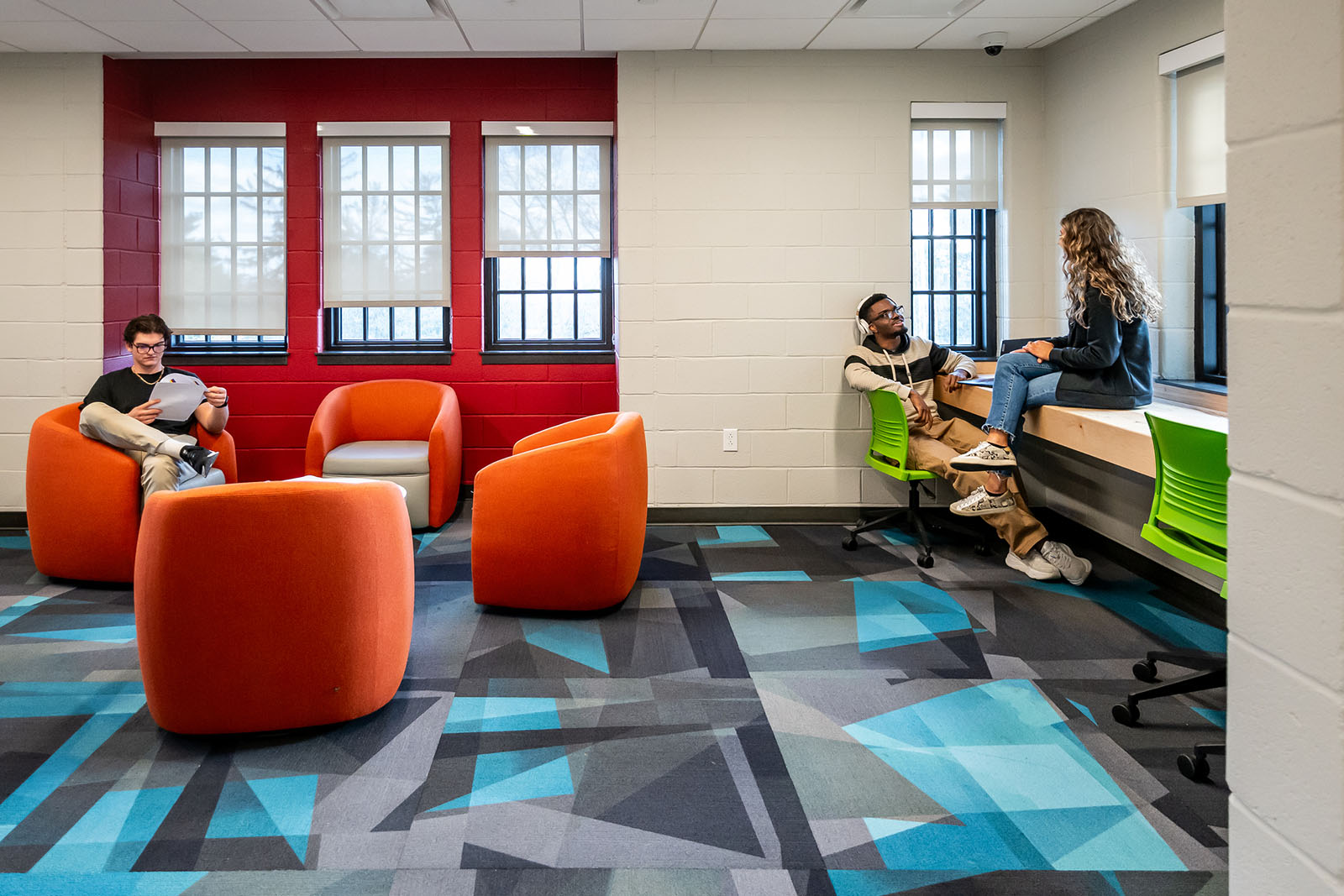
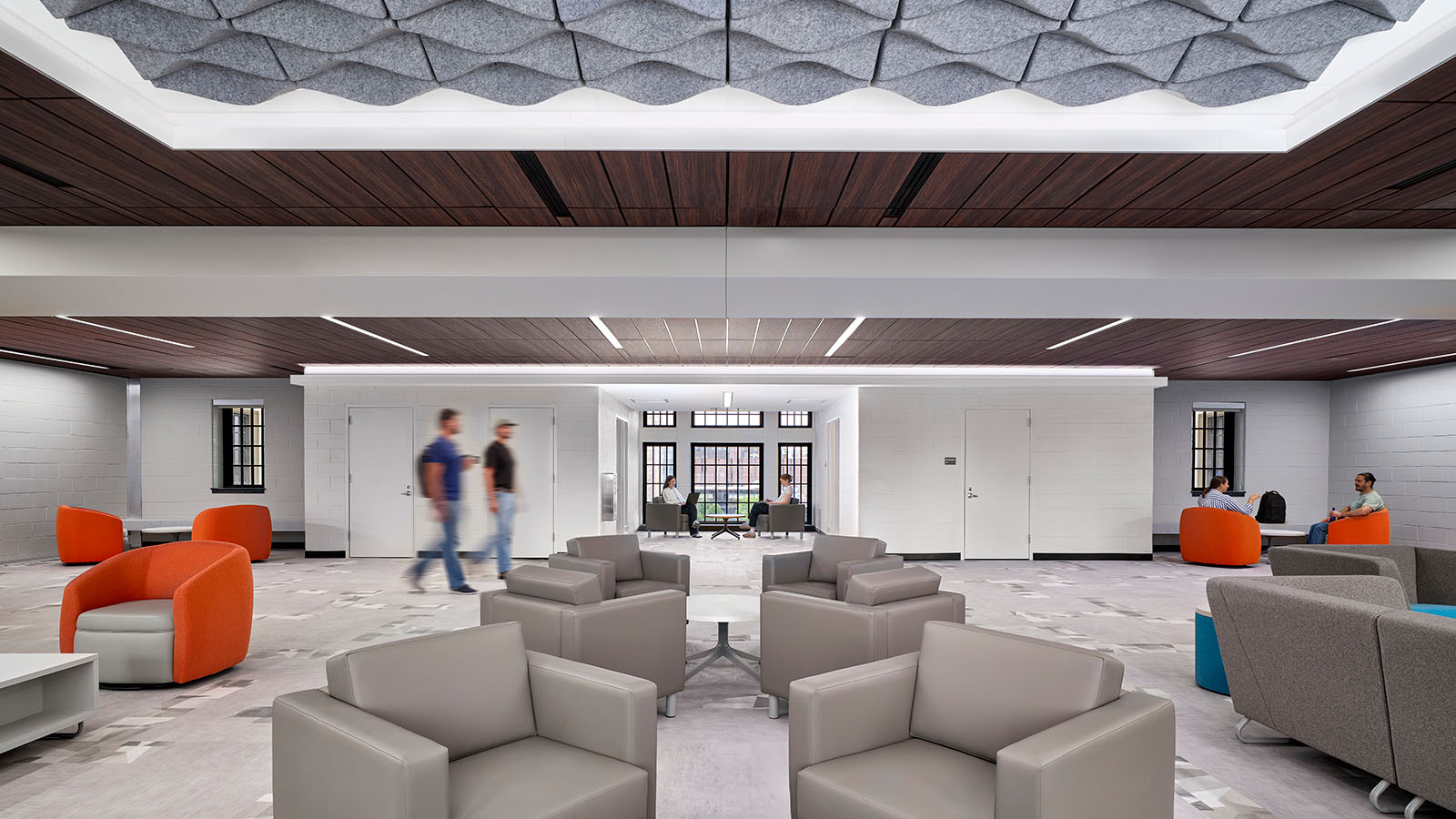
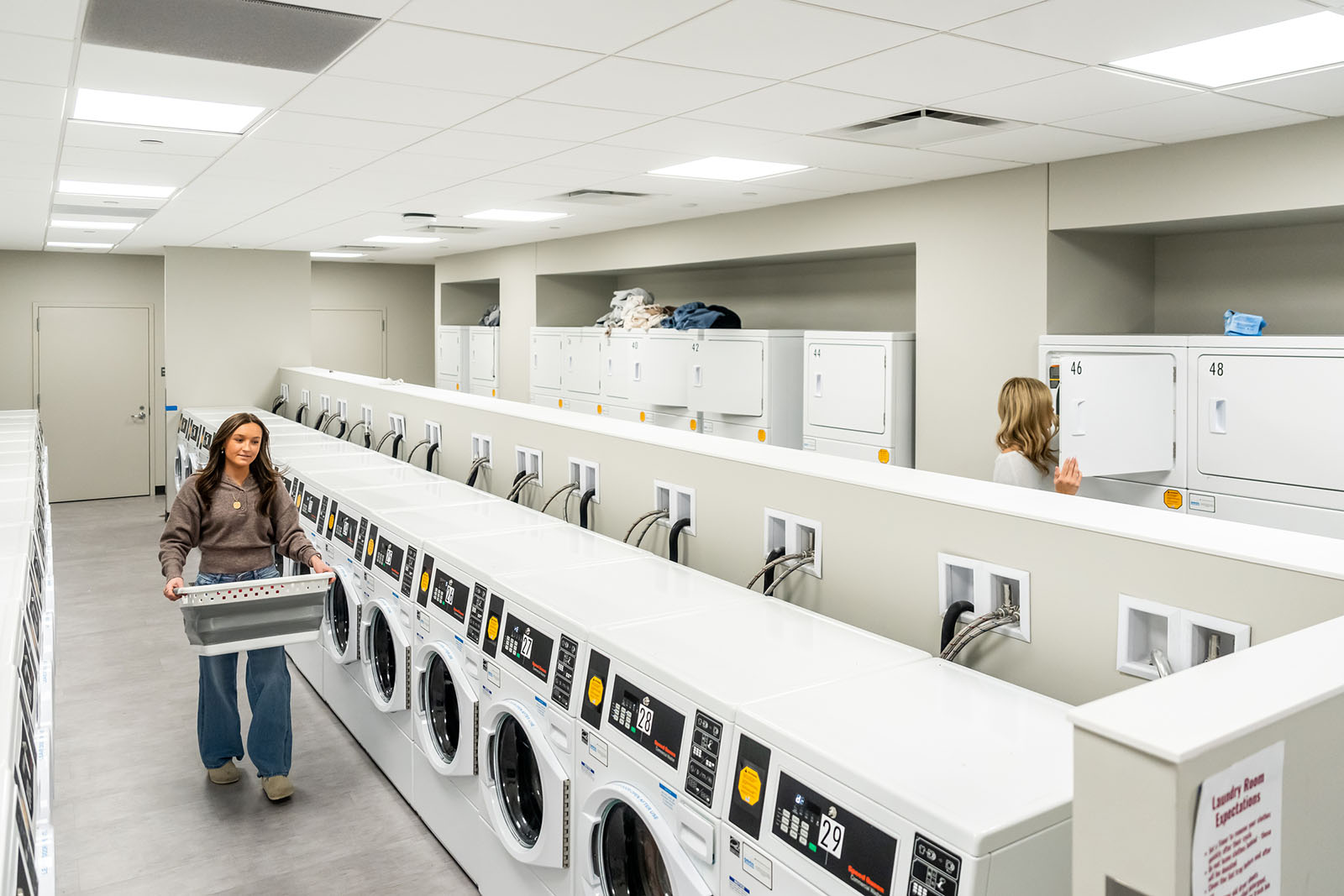
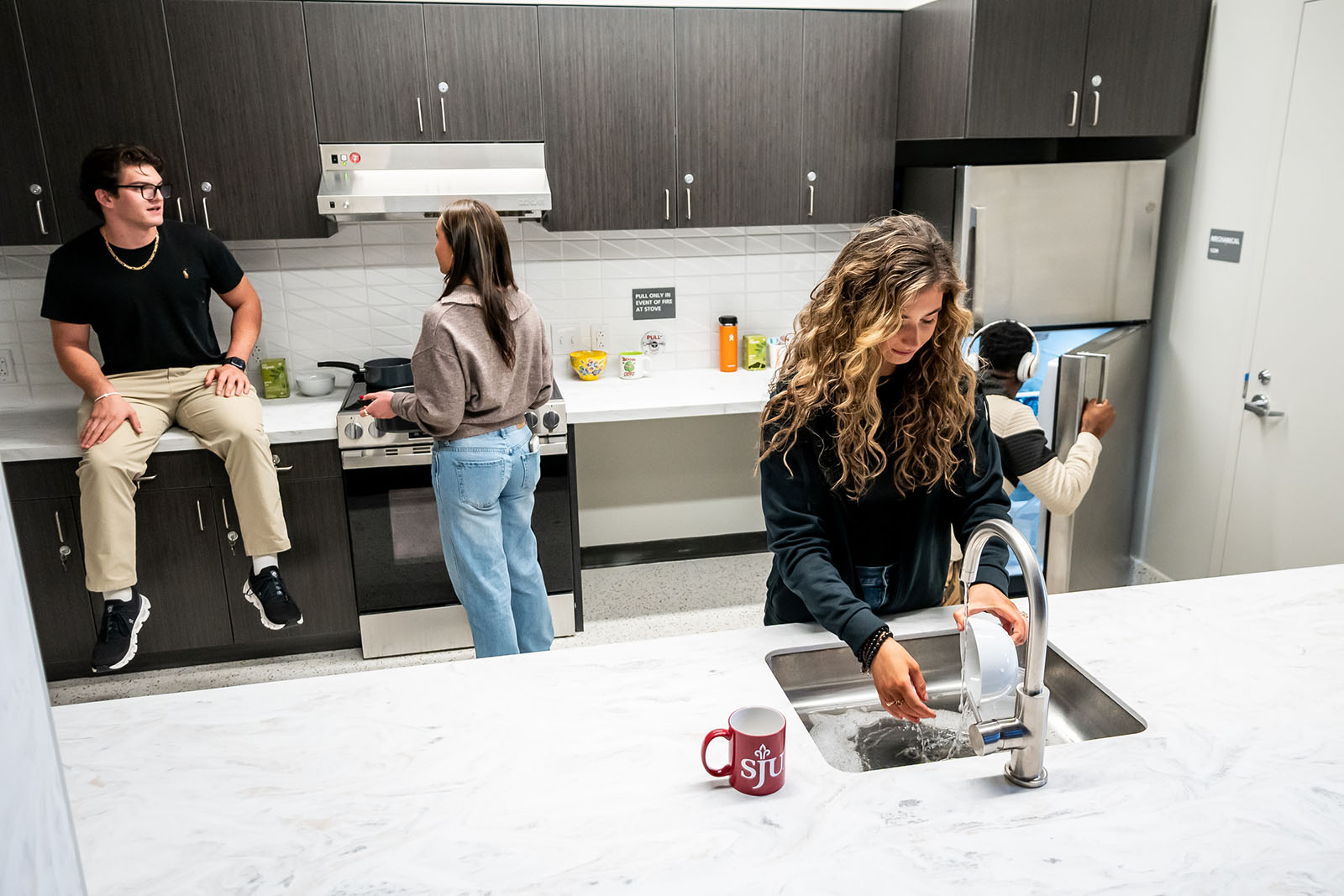
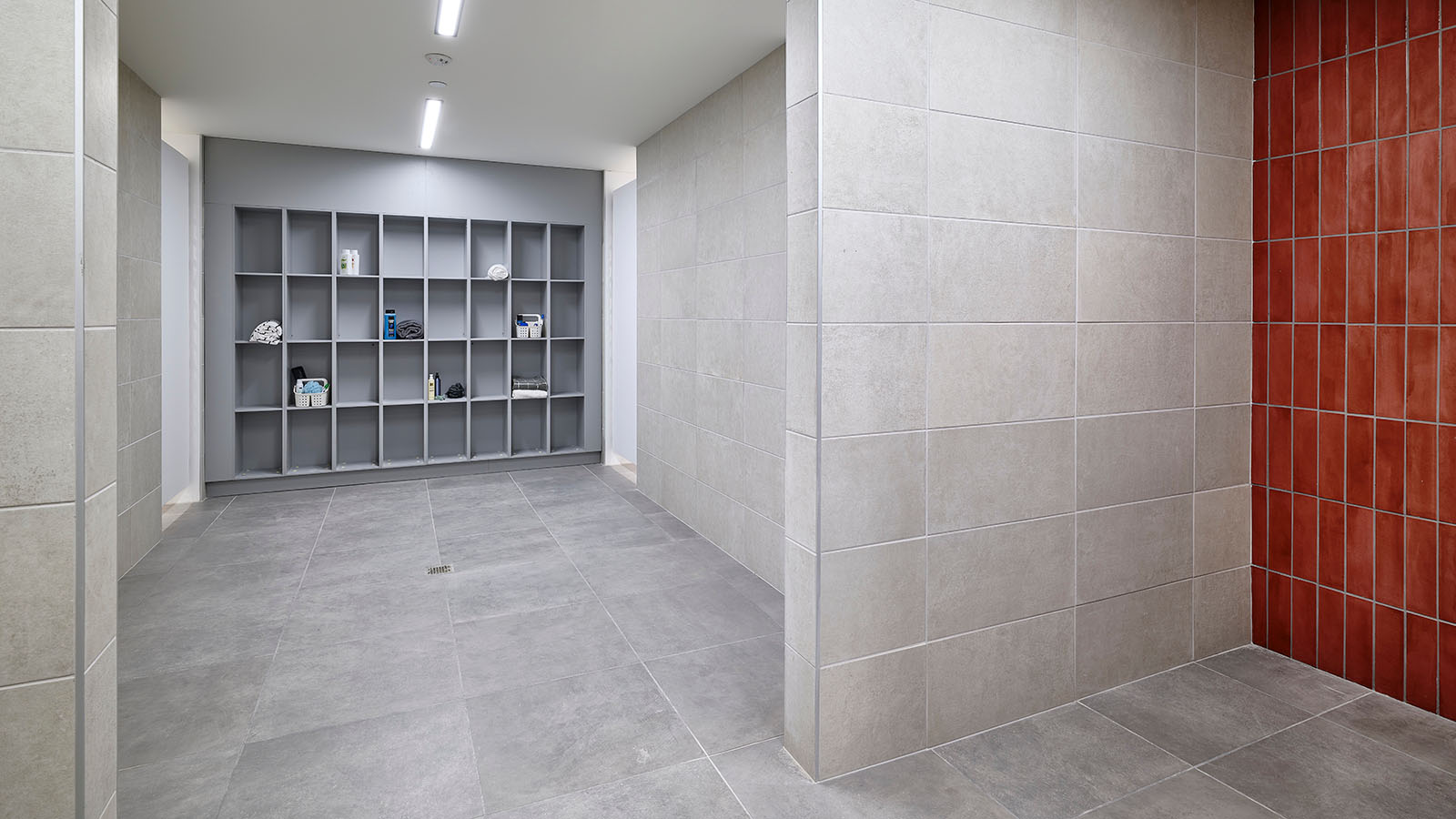
Each floor has five community lounge spaces and three study rooms that students can access at any time of day. Students on each floor share access to two women’s restrooms, two men’s restrooms and one all-gender restroom. On the first floor, there are dedicated laundry facilities and a communal kitchen and lounge space for students to gather and share meals.
These residential spaces were built with very intentional, in-building access to high-demand student wellness and support resources like the Office of Counseling and Psychological Services (CAPS) and the Office of Residence Life. Creating this close proximity removes obstacles to wellness and support that can emerge with geographic distance.
The Namesake
Sister Thea Bowman Hall is named in honor of the late educator, evangelist and social justice advocate who is a candidate for sainthood. Sister Thea was a singer, poet, preacher and master teacher who made major contributions in the ministry of the Catholic Church in the Black community. She taught elementary school while earning her master’s and doctoral degrees, founded the National Black Sisters Conference in the wake of Martin Luther King Jr.’s assassination, and became heavily involved in the Civil Rights Movement.

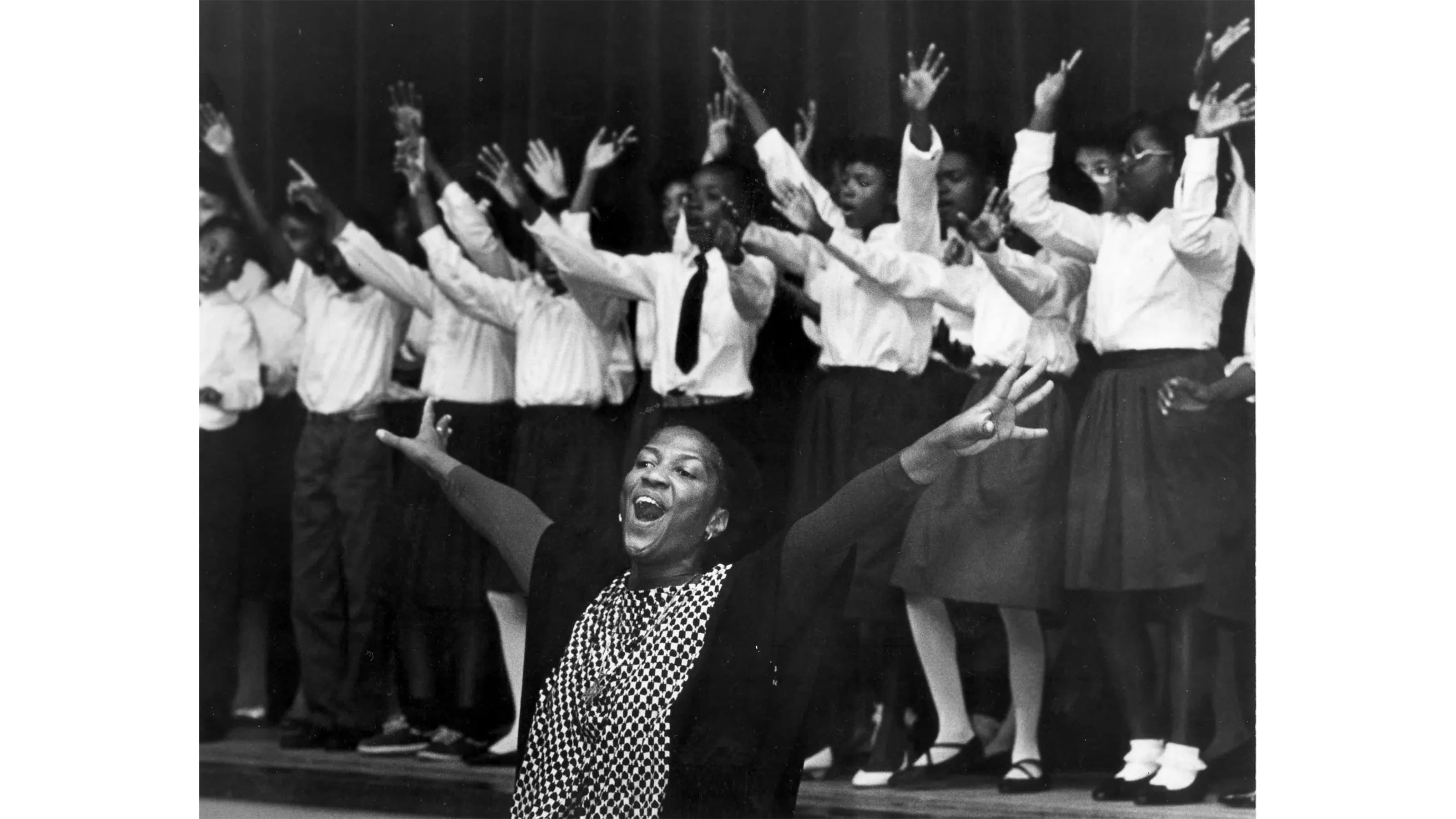
Sister Thea Bowman went on to establish the Sister Thea Bowman Black Catholic Educational Foundation to raise scholarship money on a national scale for underserved students of color who sought post-secondary education but did not have the means to attend. Bowman articulated its mission as, “Walk with us. Don't walk behind us and don't walk in front of us; walk with us."
New at SJU
The following projects are a sample of what has been completed to support the University's Jesuit mission, its appreciation for community, and its commitment to health and well-being.
- Kelly Plaza: In November, a reimagined Kelly Plaza created a natural gathering space for students, faculty and staff on the Lower Merion side of Saint Joseph’s Hawk Hill campus. The space around the Cardinal Foley Campus Center and Merion Hall was already a favorite gathering area for students and staff. New landscaping further beautifies the plaza and a new ADA pathway around Foley makes the facilities accessible for all. This project was made possible via financial support from a Pennsylvania CFA Multimodal grant.
- Maguire Athletic Center: The Maguire Athletic Center is an ultramodern training facility for Saint Joseph’s University’s student-athletes that finalized its construction this winter. You can read more about the Center here. This project was funded by philanthropy through the generous support of James J. Maguire, BS ’58, H '14, his late wife, Frances, H ’14, and The Maguire Foundation.
- Post Crossing: The newly opened thoroughfare provides pedestrians, cyclists and other forms of active mobility with a safe and efficient path for crossing City Avenue. The University estimates more than 1,500 students, faculty, staff and community members use Post Crossing every day. Read more about Post Crossing here. This project was funded through a major naming gift from alumnus John R. Post, BS ’60, in conjunction with grants from the Commonwealth of Pennsylvania and the Pennsylvania Department of Transportation.
-

Kelly Plaza
Kelly Plaza
-
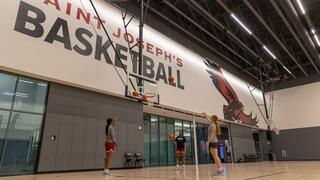
Maguire Athletic Center
Maguire Athletic Center
-
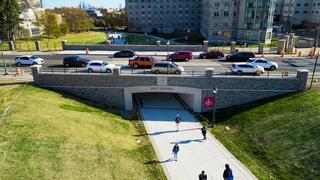
Post Crossing
Post Crossing


- O’Pake Fitness and Recreation Center: The revitalized center features modern fitness equipment, a brand-new cardio mezzanine, a fitness studio and more, offering an inclusive environment to support students’ fitness and wellness goals. The redesigned, ADA-compliant entrance enhances accessibility for the entire campus community, including the addition of two new elevators. You can read more about O’Pake here.
- Frances M. Maguire Art Museum: Housed in the former Barnes Foundation building in Lower Merion, the Frances M. Maguire Art Museum came to life after an extensive five-year restoration to revitalize the space while preserving its historic Beaux-Arts charm. Now in its third year, the Maguire Museum is fully integrated into Saint Joseph’s Hawk Hill campus and makes art accessible to everyone in the community. Read more about the restoration here. This project was funded by philanthropy through the generous support of James J. Maguire, BS ’58, H '14, his late wife, Frances, H ’14, and The Maguire Foundation.
- Arrupe Hall: Arrupe Hall builds upon the University’s strong Jesuit identity and tradition and is designed to be a hub of activity for the Jesuit community, providing new academic, sacramental and pastoral opportunities on campus. Construction was funded by the Province on land provided by Saint Joseph’s. The Jesuit community moved into this home in April of 2021. Read more about Arrupe Hall here. This project was funded by the Maryland Jesuit Province (now the USA East Province) on land provided by Saint Joseph’s.
-
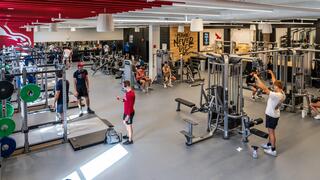
O’Pake Fitness and Recreation Center
O’Pake Fitness and Recreation Center
-

Frances M. Maguire Art Museum
Frances M. Maguire Art Museum
-
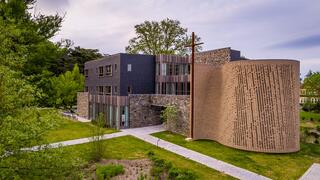
Arrupe Hall
Arrupe Hall


