
PATH (Preparing Autistic Teens for Higher Education) Program
Discover Your PATH
Discover Your PATH (Preparing Autistic Teens for Higher education) is a college-readiness program through the Kinney Center for Autism Education and Support designed to help autistic and neurodivergent students build the skills, confidence, and self-advocacy needed to navigate the transition to college.
The program focuses on practical college-readiness skills while giving students opportunities to connect with peers, current college students, and mentors.
Prepare for College Success
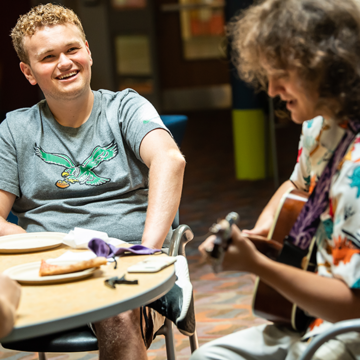
This program is grounded in evidence-based practices and include a combination of group instruction, individualized support, and social engagement opportunities. Across all offerings, participants will build competencies in areas critical to the transition to college, including academic readiness, executive functioning, independent living, social communication, and self-advocacy. Each student will also receive individualized assessment and goal-setting support to guide their post-secondary planning.
Following the completion of either program, participants and their families will be invited to attend a consultation with the Director of College Support to review the student’s college readiness, discuss post-secondary plans, and establish targeted goals for continued development.
Participants may enroll for multiple semesters. For returning students, individualized goals and program content will be adapted to reflect prior participation, ensuring continued skill advancement and meaningful progression toward college readiness. If participants are interested in enrolling in multiple sessions, they should contact program staff to discuss more.
In-Person Program Sessions
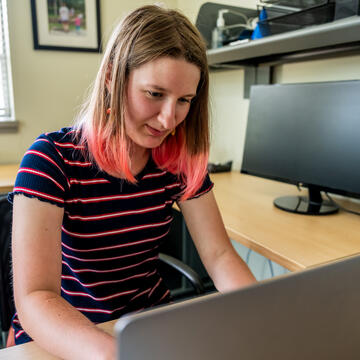
The In-Person Program provides students with an immersive opportunity to experience college life while developing essential skills.
Program Highlights:
- College readiness and the transition to college
- Executive functioning, organization, and time management
- Self-advocacy and communicating support needs
- Social communication and building relationships
- Independence and navigating college responsibilities
- Saint Joseph's University campus tour
- Lunch and social connection with current ASPIRE students and mentors
- Interactive activities designed to help students practice college-readiness skills
This in-person format emphasizes hands-on learning, campus experiences, peer connection, and social opportunities.
Upcoming Program Dates:
Fall 2026
4 Saturdays | 11:00 AM-2:30 PM
Saint Joseph's University Hawk Hill Campus
October 17, October 24, November 7, November 14Spring 2027
4 Saturdays | 11:00 AM-2:30 PM
Saint Joseph's University Hawk Hill Campus
April 3, April 10, April 17, April 24
Virtual Discover Your PATH
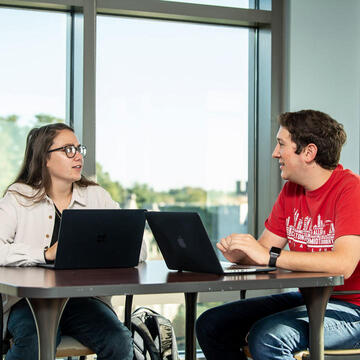
The virtual program offers the same core Discover Your PATH topics in an accessible online format. Students participate in interactive discussions and activities while connecting with peers and college students/mentors.
Program Highlights:
- Preparing for the transition to college
- Executive functioning and time management
- Self-advocacy and accessing support
- Social communication and relationships
- Independent living and college responsibilities
- Navigating college academics and expectations
- Building a college support network
- Preparing for success during the first year
The virtual format allows students to develop practical skills and confidence while participating from home.
Whether students participate in person at Saint Joseph’s University or virtually from home, Discover Your PATH provides a supportive environment where students can explore college life, develop important skills, connect with peers, and prepare for their next step.
Upcoming Program Dates:
Spring 2027
12 Weeks | Tuesdays | 5:00-6:30 PM EST
January 26 - April 13, 2027
Eligibility Criteria
The Discover Your PATH (Preparing Autistic Teens for Higher Education) program is designed for autistic high school students who are preparing for post-secondary education and are able to independently participate successfully in a structured, group-based learning environment.
-
- Students must be enrolled in high school (typically grades 9–12) or be recent high school graduates planning to pursue post-secondary education.
- Students should demonstrate an interest in attending a 2- or 4-year college.
-
- Students must have a documented diagnosis of Autism Spectrum Disorder (ASD).
- The program is best suited for students who:
- Can participate in small group instruction (typically 6–12 students)
- Benefit from structured, skills-based programming focused on college readiness
- Are working toward increased independence in academic and daily living skills
-
To ensure a safe and productive group environment, participants must:
- Be able to engage in programming without the need for 1:1 behavioral or personal support
- Demonstrate the ability to:
- Follow group expectations with minimal prompting
- Participate safely in classroom and community-based activities
- Regulate behavior in a shared environment
This program is not designed for students who:
- Require continuous 1:1 supervision or intensive behavioral support
- Exhibit frequent or severe aggressive, self-injurious, or disruptive behaviors that may impact the safety or learning of themselves or others
- Require individualized crisis intervention plans beyond what can be supported in a group setting
-
Participants should:
- Be able to communicate basic needs (verbally or via AAC/alternative methods)
- Tolerate and engage in group discussions and collaborative activities
- Demonstrate readiness to work on:
- Social communication
- Executive functioning
- Self-advocacy
- Independent living skills
-
- Students should show interest and willingness to participate in college-preparation activities
- Students must be open to goal-setting, feedback, and skill development
- Families should be willing to support attendance, participation, and follow-through on individualized goals
-
- All applicants will participate in an intake screening and/or pre-program meeting to assess fit for the program
- Placement is determined based on:
- Student readiness for a group-based model
- Alignment between student needs and program scope
- Ability to benefit from and contribute to the learning environment
ASPIRE College Support
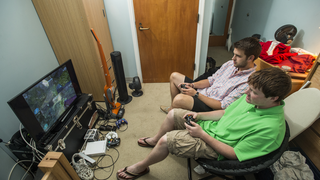
Whether you are attending Saint Joseph’s University or another institution of higher learning, the Kinney Center’s expert team can help you adjust to campus life and reach your goals of graduation.