Keynote Speaker
Keynote Speaker
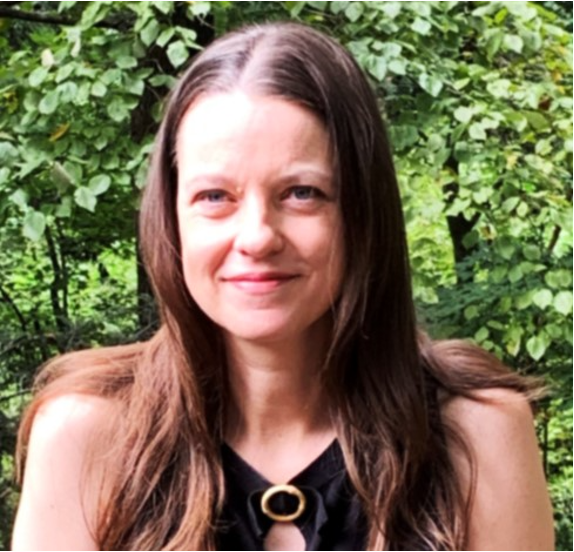
Research in Dr. Kim Christian’s laboratory is focused on understanding how perturbations of developing and mature neuronal networks give rise to cognitive impairments and psychiatric symptoms. We use both animal models of behavior and human induced pluripotent stem cell (iPSC)-based models to characterize functional properties of different neural cell types and how neuronal function is altered in the context of genetic risk, viral challenges or drug exposure. A key objective of our research is to use findings from in vivo models to inform the development of appropriate iPSC-based models to address specific research questions and to use iPSC models to generate hypotheses that can further tested in vivo. Human iPSCs can be used to generate 3D organoid models of different brain regions and hold tremendous promise for therapeutic applications and mechanistic studies of neuronal function and dysfunction. Among the many applications of iPSC-based research, having a renewable source of human neurons can bridge the gap between preclinical animal models and clinical trials to evaluate drug safety and efficacy. In one of our initial studies, we evaluated the impact of antiretroviral drugs, which are used to reduce the viral load in people living with HIV, on organoid models of early brain development. We are also currently working to integrate our cortical organoid models with microglia to support mechanistic studies of neuroimmune processes during homeostasis and in response to viral infection. Finally, we are interested in the role of activity-dependent mechanisms of neuronal network development that can promote maturation of iPSC-derived models.