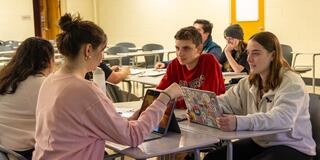
Each session is divided into three core components: skill-based instruction, guided role-play, and a social practice lab.
Skill-based Instruction: Participants learn concrete, research-backed strategies for navigating common social situations such as starting and maintaining conversations, joining group interactions, using humor appropriately, handling conflict or rejection, and developing friendships. Facilitators model each skill and break it down into clear, manageable steps.
Guided role-play: Participants actively practice new skills through structured scenarios, receiving immediate coaching and supportive feedback from both facilitators and peers. This allows participants to build confidence and refine their approach in a low-pressure setting.
Social Practice Lab: Participants apply their skills in more natural, peer-based activities such as group games, collaborative challenges, and social mixers. These activities are intentionally designed to promote communication, cooperation, and real-time problem-solving, helping students generalize skills beyond structured practice.
Throughout the program, participants are encouraged to set weekly goals and apply their skills in everyday settings. By combining direct instruction with meaningful practice, the Social Practice Lab supports teens in developing stronger social competence, increased self-confidence, and more positive peer relationships.