Adolescent Mental Health – Social Media On Trial
By: David Sherrell
Greetings, grownups! I’m David Sherrell, Editor-in-Chief for Prevention Academy’s EmpowerED Resource Library, your clearinghouse for valid and reliable prevention- and public-health-related information. Since 2009, I have served in the ongoing mission of keeping healthy kids healthy – in the field as a Prevention Specialist, in management as a supervisor and trainer of Prevention Specialists, and in leadership as the director of a prevention organization. I have also pursued graduate education in psychology and public health, all the better to assure that the knowledge and wisdom our Prevention Specialists share with your children is 1) backed by sound and recent scientific inquiry and 2) feels useful, actionable, to them and to you, the adults who love them.
I’m writing today to share with you news you may already have heard and to contextualize it within the world of prevention. I know many if not all of you have worried at times about the impact frequent social media engagement may be having on the youth in your charge. Those concerns have real merit: despite our knowledge that most kids are mostly healthy most of the time, we also know that there are risks to their health in their social environments. We must provide them with the resources and power to protect themselves from those risks, which include alcohol, nicotine, marijuana and other drugs; for the past 20+ years, they have also included social media platforms and the interactions taking place there.
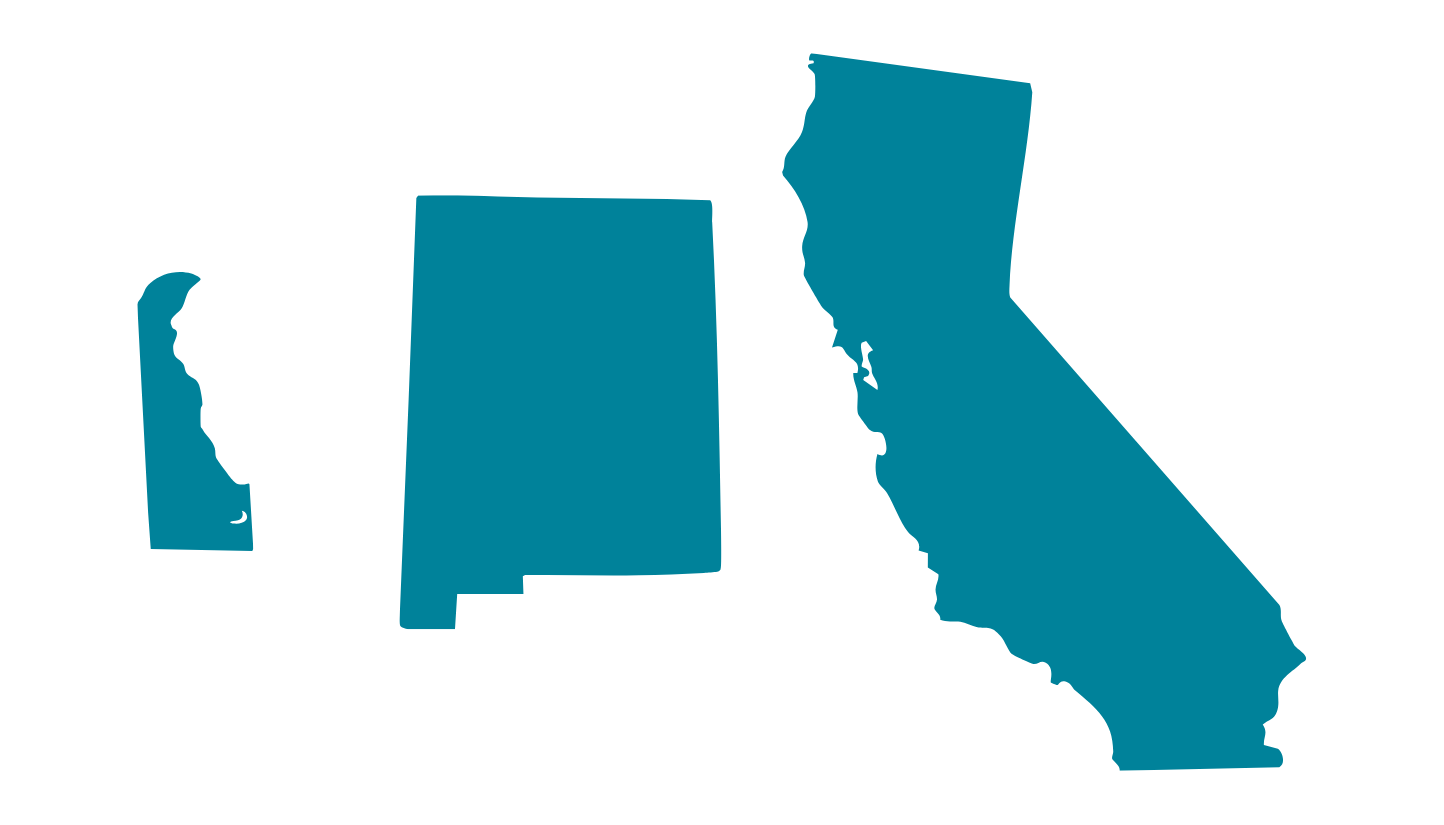
Fortunately, recent legal victories in Delaware, New Mexico, and California have opened a pathway through which these highly dynamic spaces in which our youth spend so much of their day may present less risk over time and do a much better job of promoting their health and wellbeing. For all the importance of the verdicts, there has been little truly comprehensive reporting linking all three and sharing what is known about next steps. Understanding these verdicts, what experts are saying about the allegations involved, and what may happen next could provide you with fodder for some good in-depth discussion with your youth. What have their experiences of online life in general and social-media life in particular been like? What do they think about the verdict? Does it have any personal relevance or importance to them, in their own opinion? If you’re not sure, opening the relatively unintrusive topic of the lawsuit in California and relevant verdicts elsewhere may grant you a pathway to insight. And, if I know kids at all, some cogent perspectives that may or may not surprise you!
Accountability – A Timeline
The Complaints
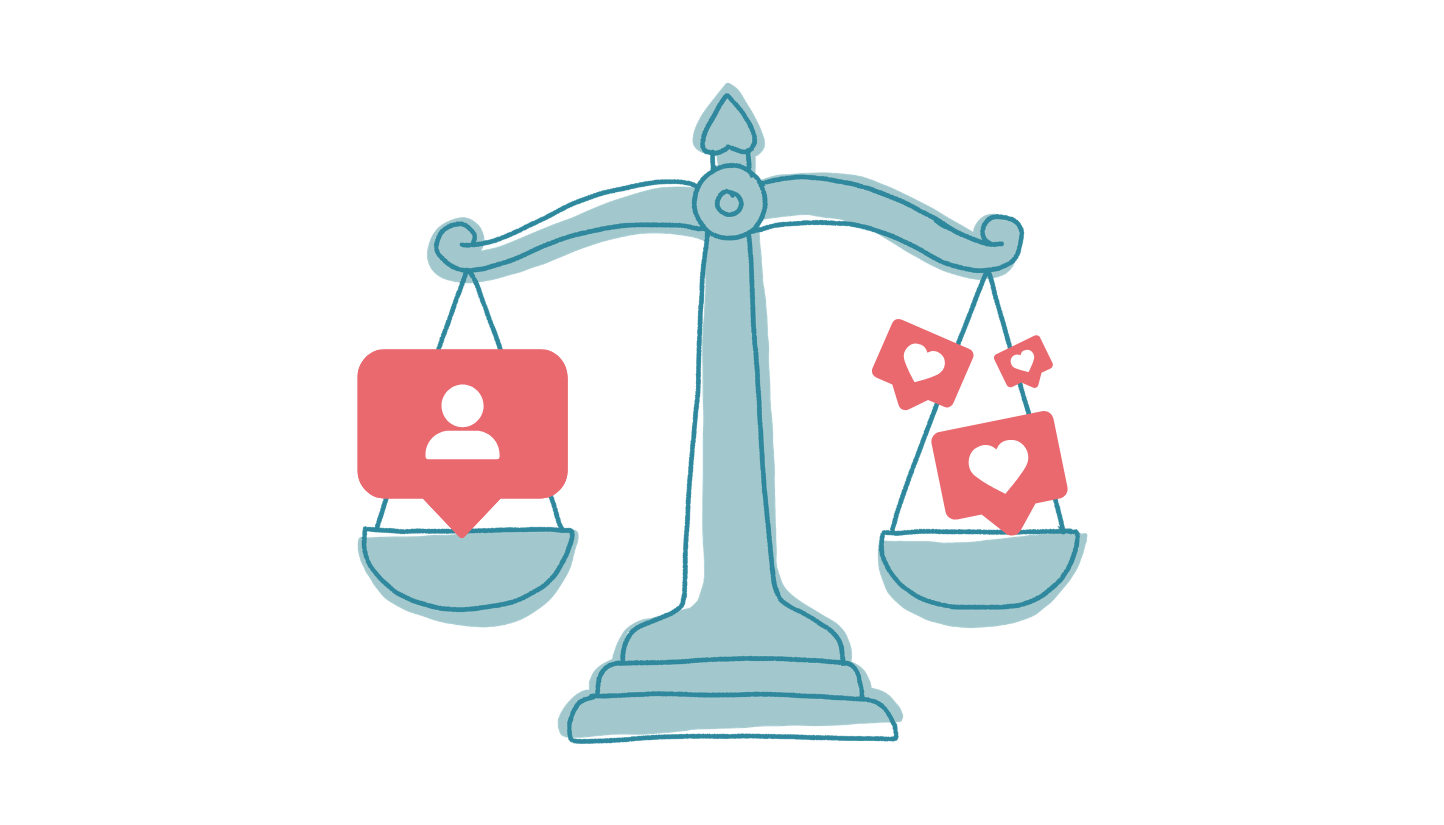
From 2022-2024, thousands of cases were filed within the state of California, by private citizens and school districts. These civil lawsuits alleged that Meta and Google, as the owners and designers responsible for Facebook and Instagram, and YouTube respectively, designed their sites with addictiveness as an intentional feature rather than an accidental byproduct. As the lawsuits moved forward, judge selected cases including that of K.G.M. as “bellwether” cases to advance through the trial process. K.G.M. testified to the decline in her mental health she associated with her addiction to these platforms. In January 2026, before the trial began, TikTok and Snap – who had also been named as defendants – reached settlement deals with K.G.M.
Meanwhile, beginning in 2023, the New Mexico State Department of Justice (NMDOJ) began investigating the potential that Meta’s design choices had created more consequences for youth than already perilous social media addiction.
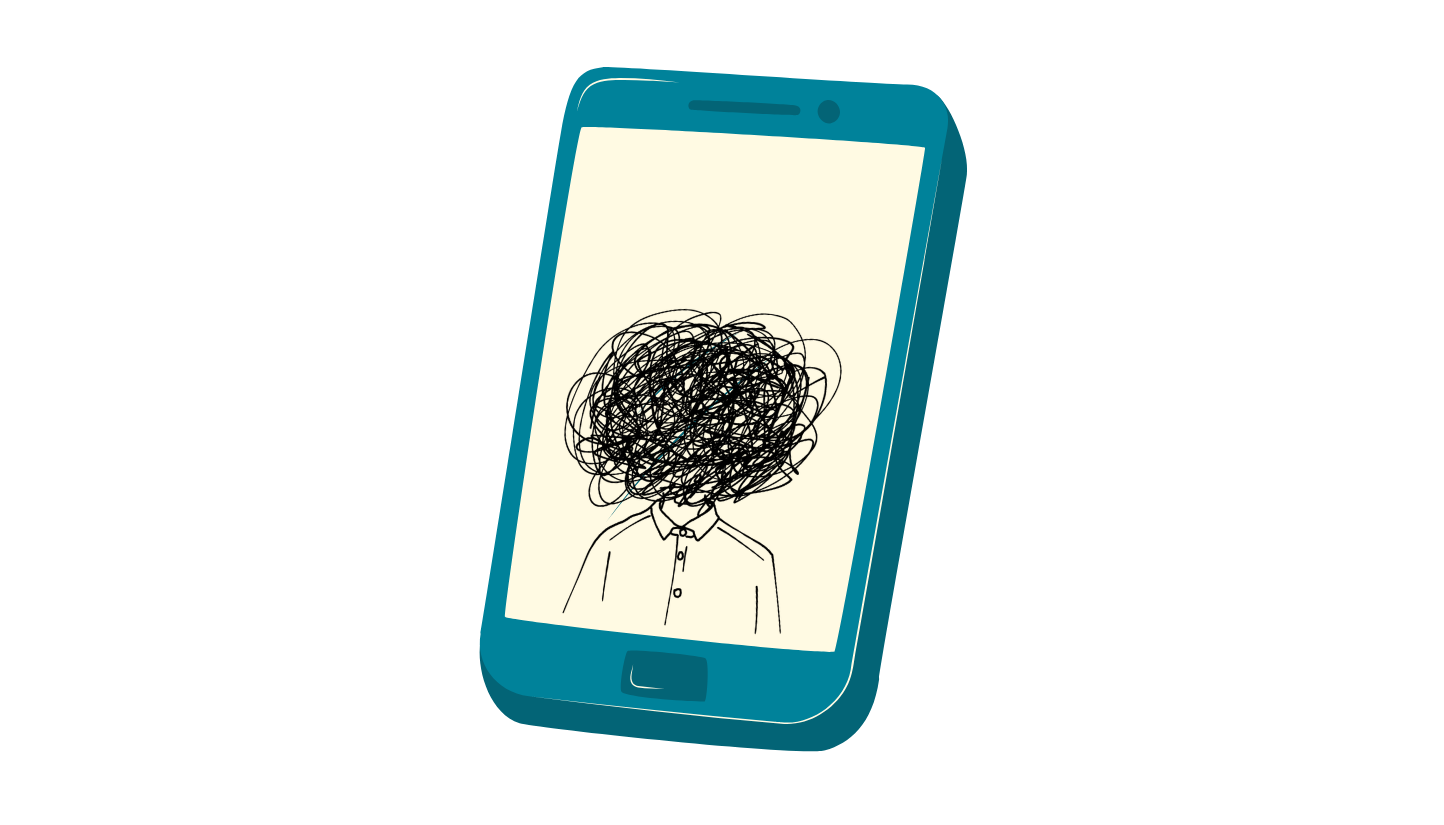
In the course of this investigation, as was revealed in 2024, the NMDOJ uncovered documents substantiating claims made in both their ensuing civil suit against Meta and the bellwether case in California: that experts had made Meta officials up to the highest levels aware of the danger their platform design posed – to youth in particular – and that the decision was made to take no protective action via either the structure of the platform itself (for example, the “infinite scroll” mechanic of Facebook’s and Instagram’s feeds) or the function of the algorithms by which specific content is selected for users to see.
The New Mexico suit (also filed against Meta, but not Google/YouTube) alleges both that this constitutes negligence by which youth were made addicted to their products, and that children and adolescents were simultaneously exposed to and insufficiently protected from direct engagement with predatory adults lurking the same platforms. To support this aspect of their case, the NMDOJ performed undercover operations: investigators created fake accounts posing as kids, finding indeed that their engagement with the platform was sufficient to attract predators who were able to make contact with them.
The Defense
In both lawsuits, the defense strategy was the same.
- They claimed they were not responsible for the content with which youth engaged on their platforms. This, in line with regulations dating back to the mid-1990’s, absolved them of direct responsibility for moderating such content and from preventing or healing any harms resulting from people engaging with it.
- They claimed that existing product liability laws were meant to protect people from physical products rather than lines of code or intellectual property.
- They claimed that the causes of adverse mental health could not be boiled down to one factor, one stimulus – and that, as a result, they could not be held responsible for the negative mental health outcomes K.G.M. and others experienced.
- Google contended for its part that YouTube wasn’t even a social networking site and so (despite its similar infinite scroll capacity and filtering algorithm) was not subject to the claims made by the California plaintiffs.
The Insurers and the Delaware Decision
In late 2025, with early rulings regarding expert testimony on the books in the California case and the New Mexico trial set to begin, the companies responsible for insuring Meta filed paperwork claiming that they were not required to defend Meta in any cases that claim damages resulting from deliberate decisions rather than accidents, nor to cover their damages in any judgments in such cases. The justification is that simple: insurance is meant to protect from accidental harms, not those deriving from deliberately designed product features. In February 2026, the Delaware Superior Court ruled in favor of this claim. The ruling leaves Meta (and, almost certainly, Google in California) directly financially liable for any judgments against them as the cases proceed.
Decisions in New Mexico and California
The first such judgments have now been made: on March 24th, 2026, the jury in New Mexico imposed $375 million in fines against Meta for gross negligence that facilitated child exploitation and predatory behavior. The next day, the jury in California similarly ruled against the defendants, finding that Meta and Google were liable for damages due to K.G.M.’s social media addiction and subsequent harms, awarding her $6 million.
What Happens Next?
Although many involved in pursuing the cases against Meta, Google, and other social media platform owners are claiming these legal victories are the start of an avalanche of victories that will necessitate protective changes to how the platforms in question are designed and operate, that remains to be seen. Google has promised to appeal the judgment against YouTube; Meta has similarly vowed to appeal the rulings against it in California and New Mexico.
While those appeals, which will likely be slow-going, proceed, there are next steps in two states to watch for. In New Mexico, a second phase of the trial against Meta will offer the state the opportunity to set in stone non-financial consequences for the social media giant. This is where the complaint has the direct potential to help our youth: the court will have the opportunity to review potential ways the sites can be ordered to change in order to support youth mental wellbeing. Experts in tech, public health, and adolescent developmental psychology are all coming forward with recommendations that, if approved by the court, would create platforms that operate very differently for youth than for adults. Most such recommendations involve hard stops to the infinite scroll and painstaking review and overhaul of the algorithms that dictate what content appears.
In California, remember that K.G.M.’s case was a bellwether, a sort of “test run” case that will inform how the many other suits against Meta and its corporate fellows proceed; another such bellwether case is set to begin in May 2026. Each of these cases gives judges and juries the opportunity to hear the many issues and legal theories and precedents at play, and make rulings and judgments that further affirm theories and either create new precedents or refine older ones.
What’s the Prevention “Angle” Here?
I’m no legal expert, folks – although I was raised by a lawyer and can understand much of their native tongue, I’m not a fluent speaker. I do know the language of public health, and much of the attendant legal history there. As you might guess, the most common comparison being drawn in the news is to the judgments against Big Tobacco in the 1990s for their concealment of the addictive nature of their products and the reprehensible further decisions to market them to younger people, whom they knew to be more likely to become “lifelong customers”. The potential for such a watershed moment in the history of youth health does exist here, but I advise patience as we observe the next steps. This moment in that history will be shaped by many separate legal decisions instead of one large class-action suit; this means many minds must put in much work before we start to see the conclusive direction of events. In the meantime, the prevention “angle” to me is simple: as adults who love children, whether they’re ours to raise, or to educate, or to love in some other way, the science of prevention tells us that knowing what’s going on at moments like this offers us unique and incredibly impactful opportunities to inform the health of our youth. This happens in many ways:
- These verdicts are great discussion-starters, and every well-informed, health-related conversation we have with our kids is a prevention “win”. Ask your kids, your students: have they heard of these lawsuits? Are they aware of the verdicts? If not, what do they think now that they’ve heard? If so, what if anything does the news indicate to them as consumers of social media products? Does any of this news cause them to reflect on their own social media use? If not, would they take the opportunity now? If so, what conclusions have they drawn?
- Knowing the nature of the lawsuits and their outcomes (so far) helps us dispel misinformation. For those who have heard of these trials, the greatest likelihood is that their takeaways will be shaped by mass media outlets. In composing this missive to you, I have read the stories of multiple major outlets as well as some more esoteric, “sciencey” publications (see sources below); while I didn’t find any direct misinformation, I did find a great deal of generalization. In your discussions with kids, be sure to highlight some of the important details:
- The structure and function of the sites, their design, is on trial, not the content they see as they scroll. It’s the difference between claiming a company responsible for the shoddy construction of a building is responsible for the weak brick and mortar, and claiming they’re responsible for the malfeasance of the companies whose offices are in the unsafe building.
- There are many more trials to come. The lawsuit in California was not the typical class-action suit you see against a big corporation, where lots of people claiming damages band their cases together in one trial. That may happen eventually, but for now, these cases are still being heard individually (and sequentially).
Understanding the allegations – and the evidence supporting them – helps us set healthy boundaries. Social media platforms are not unilateral evils – research tells us they often provide protective factors to our youth as well, such as facilitating a search for a community that feels like “home” when school isn’t yet that place, or helping young people define their selves and interests through engagement with a wider world of possibilities than they would otherwise know about. However, there can be no doubt that these platforms do present risk factors to their healthy development. Understanding what those are and how to mitigate them can inform you as you set healthy boundaries for your kids – for example, imposing scroll-time limits on your own since Meta won’t yet do it for you, or requiring your kids to reflect via journaling or discussion with you on the nature of the content they are being shown by their algorithm and what possible impact it’s having on their mood over time.
What Do You Think?
As Editor-in-Chief at EmpowerED, I’m always chiefly concerned with what you and the kids in your charge are thinking and feeling as you navigate the world of risk and protective factors together to find the healthiest paths possible to adulthood. If this piece has generated any new thoughts or questions, and especially if you do go on to have discussions with young people about these important legal victories, please don’t hesitate to reach out to Prevention Academy to let us know all about it!
Sources:
Béchard, D. E. (n.d.). What the Meta and Google verdict means for social media design. Scientific American. Retrieved April 10, 2026, from https://www.scientificamerican.com/article/what-the-meta-and-google-verdict-means-for-social-media-design/
Haidt, J. (2024). The anxious generation: How the great rewiring of childhood is causing an epidemic of mental illness. Penguin.
Kang, C., Mac, R., & Tan, E. (2026, March 25). Meta and YouTube Found Negligent in Landmark Social Media Addiction Case. The New York Times. https://www.nytimes.com/2026/03/25/technology/social-media-trial-verdict.html
Kang, C., & Tan, E. (2026, March 24). Meta Ordered to Pay $375 Million Over Child Safety Violations. The New York Times. https://www.nytimes.com/2026/03/24/technology/meta-new-mexico-child-safety-violations.html
Odgers, C. L. (2024). The great rewiring: Is social media really behind an epidemic of teenage mental illness? Nature, 628(8006), 29–30. https://doi.org/10.1038/d41586-024-00902-2
Orben, A., & Blakemore, S.-J. (2023). How social media affects teen mental health: A missing link. Nature, 614(7948), 410–412. https://doi.org/10.1038/d41586-023-00402-9
Simpson, A. G. (2026, March 23). Meta Loses Insurance for Defense in Major Social Media Addiction Litigation. Insurance Journal. https://www.insurancejournal.com/magazines/mag-features/2026/03/23/862428.htm
X, & Email. (2026, March 28). L.A. social media addiction verdict set to unleash more lawsuits—And force changes. Los Angeles Times. https://www.latimes.com/california/story/2026-03-28/meta-google-social-media-addiction-verdict-explained