Alcohol: Risks for Teens
By: Carly Janco, B.S. of Psychology, SJU Class of ‘26
Social Norms
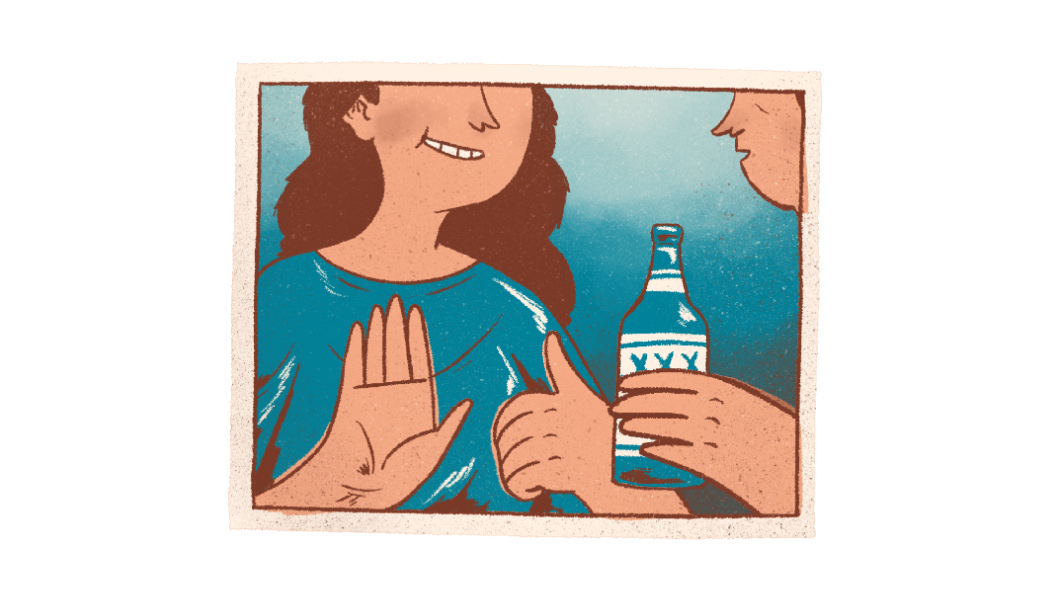
Most adolescents get information about alcohol use primarily from parents and guardians, and additionally from social media and friends, which can influence perceptions about peers’ frequency of use [1]. While we know that most kids’ decisions not to consume alcohol is shaped by a variety of factors, including parental support and peer influences [2], there is a false normative belief that most kids learn about alcohol online. Many teens perceive that most of their peers – even those they communicate with online – are drinking. For example, in 2022, more than 60% of teens surveyed said that the average teenager posts online about activity involving alcohol, yet only 7% reported actually posting such content themselves [3]. The social norms approach to prevention is a theory that observes both the facts that most kids are healthy and that most kids underestimate their peers’ health. When teens inaccurately perceive that most of their peers are using, it can become more difficult to make healthy and informed decisions about alcohol, and to recognize a problem in oneself or in a friend.
What is Actually True of Teen Alcohol Use?
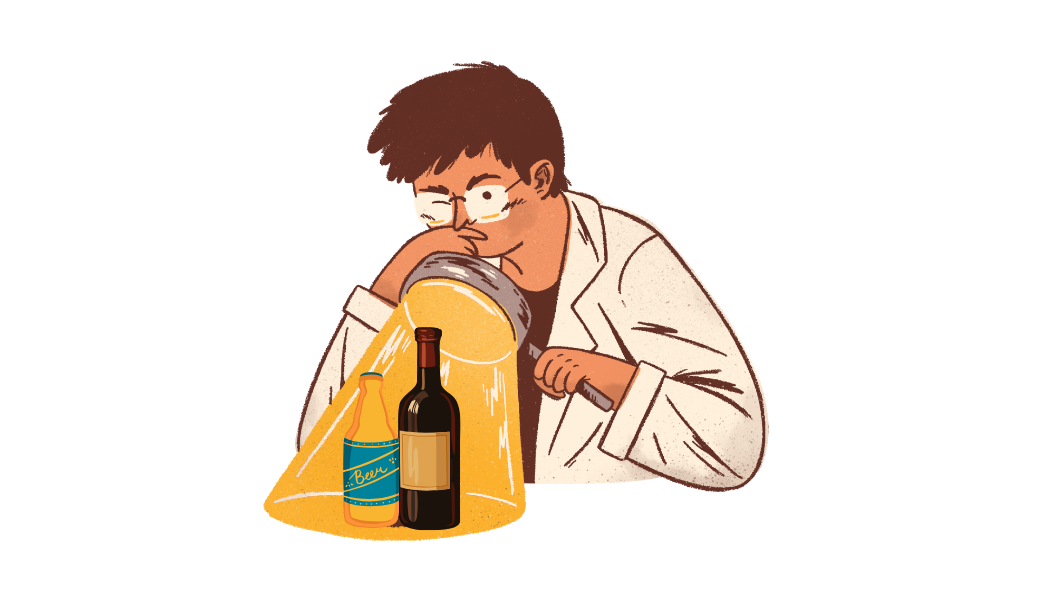
Teens consistently have the perception that most of their peers are drinking. However, this is untrue. Sharing accurate information empowers teens to continue making healthy choices. The overwhelming majority of teens aren’t drinking – both nationally and in Delaware and Montgomery counties. According to 2023 Monitoring the Future data, which measures trends in teen substance use across the country, only 35.8% of 10th graders report having ever consumed alcohol [4]. Only 33.1% in Montgomery County [5] and 32.9% in Delco [6] reported the same. In fact, adolescent alcohol use nationally is at an all-time low post-pandemic. It’s important for teens to know that when they make healthy choices about substance use, they are actually in the majority. Choosing not to drink is overwhelmingly the norm among adolescents – we want to illuminate this truth so that teens know that they are not alone in making healthy choices.
Alcohol Risks and Ways to Help a Friend
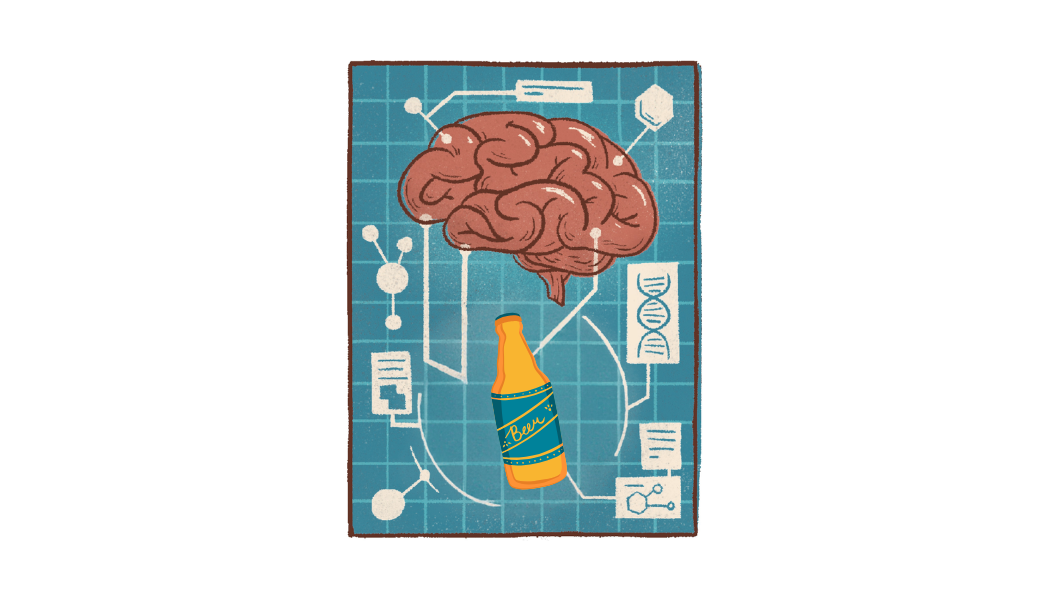
Teens’ brains are still developing. Heavy alcohol use during this sensitive development period may result in an impaired decision making ability, and impaired inhibition. During adolescence, teens’ prefrontal cortex (a part of the brain that drives decision-making) is still developing. Alcohol use can disrupt this development. For teens, this can result in difficulty in tasks such as driving, school work, and sports – even when not using, and especially when engaging in higher-risk drinking, such as binge drinking [7]. These difficulties occur because the consumption of alcohol in teens has been linked to harm in the areas of the brain that are critical for cognition, decision-making, memory and emotional regulation [8]. Additional risks of alcohol use include the development of a tolerance, needing more of the drug to achieve the same effect. Tolerance can develop quickly from repeated use, and as tolerance grows, teens can experience uncomfortable physical and mental symptoms after stopping use which can lead to craving and symptoms of withdrawal. Repeated use may impact a teen’s ability to fulfill ordinary, adolescent responsibilities. Many teens perceive that alcohol use will help them be more likable and social. However, the negative social, academic, and developmental effects can be isolating for teens.
Even one-time alcohol use can make teens more likely to make risky decisions, such as drinking while driving and unsafe or unwanted sexual behavior [9, 10]. However, despite these risks, there are many ways adolescents can help friends who may be concerned about their alcohol use.
A great way to support a friend who may be struggling with alcohol use is to know the facts. By learning more about the impacts of alcohol use, encouraging them to identify trusted adults in their lives whom they can check in with, and celebrating the ways teens take advantage of protective factors and resources, you can support a friend. When concerned about a friend, it’s crucial for teens to take care of themselves so that they can provide approachable and accessible support to their friends.
Services like the CDC and SAMHSA have excellent resources to understand the risks of alcohol use. Teens largely know that alcohol use – especially repeated use and consumption of large quantities of alcohol – is risky, particularly in adolescence [11]. We know that teens in Montgomery and Delaware counties are overwhelmingly making healthy choices [12, 13], and have the desire and ability to support their friends. By celebrating adolescent health, we improve it. Prevention Academy’s mission while working in school communities is to bolster the ways in which adolescents make healthy choices to support their well-being, to shed light on the risks of alcohol use, and to provide available resources designed to assist them as they navigate adolescent life.
Resources that can help
There are resources available that can refer people struggling with substance use to local services:
- SAMSHA (Substance Abuse and Mental Health Services Administration) has a free and confidential hotline that can be accessed in both English and Spanish. It can be reached by both call and text at this number: 1-800-662-HELP
- SAMSHA also has a variety of articles to help teens and families navigate emergency situations
- CDC’s Drink Less, Be Your Best Campaign is aimed at supporting teens with a variety of substance use issues, including cannabis use.
- SAMSHA’s Talk, They Hear You campaign also has valuable resources for underage drinking prevention
- The Department of Health’s Administration for Children and Families has a helpful Substance Use Resource Sheet
- NIAAA (National Institute on Alcohol Abuse and Alcoholism) has an informative resource document for identifying unhealthy patterns of alcohol use
Sources:
[1] “Make a Difference: Talk to Your Child about Alcohol - Parents.” National Institute on Alcohol Abuse and Alcoholism (NIAAA), 26 June 2019, www.niaaa.nih.gov/publications/brochures-and-fact-sheets/make-a-difference-child-alcohol.
[2] Handren, Lindsay M., Candice D. Donaldson, and William D. Crano. "Adolescent alcohol use: Protective and predictive parent, peer, and self-related factors." Prevention science 17.7 (2016): 862-871.
[3] Meisel, Samuel N., et al. "Adolescent (mis) perceptions of peer alcohol posts on social media: Prospective associations with alcohol attitudes and use." Alcoholism: clinical and experimental research 46.11 (2022): 2054-2067.
[4] Monitoring the Future. “Drug Prevalence.” Monitoringthefuture.org, 2023, https://monitoringthefuture.org/data/bx-by/drug-prevalence/#drug=%22%22.
[5] 2023 Pennsylvania Youth Survey. Montgomery County Profile Report. 2023.
[6] 2023 Pennsylvania Youth Survey. Delaware County Profile Report. 2023.
[7] Squeglia, Lindsay M. “Alcohol and the Developing Adolescent Brain.” World Psychiatry, vol. 19, no. 3, 15 Sept. 2020, pp. 393–394, www.ncbi.nlm.nih.gov/pmc/articles/PMC7491635/, https://doi.org/10.1002/wps.20786.
[8] SAMHSA. Report to Congress on the prevention and reduction of underage drinking. Washington: U.S. Department of Health and Human Services; 2020. p21
[9] CDC. “About Underage Drinking.” Alcohol Use, 14 Jan. 2025, www.cdc.gov/alcohol/underage-drinking/index.html.
[10] NIAAA. “Alcohol and the Adolescent Brain.” www.niaaa.nih.gov, Nov. 2024, www.niaaa.nih.gov/publications/alcohol-and-adolescent-brain.
[11] Monitoring the Future. “Table 8-2: Trends in Harmfulness of Drugs, as Perceived by 10th Graders.” Monitoringthefuture.org, 2025, monitoringthefuture.org/wp-content/uploads/2024/12/mtf2025.pdf.
[12] 2023 Pennsylvania Youth Survey. Montgomery County Profile Report. 2023
[13] 2023 Pennsylvania Youth Survey. Delaware County Profile Report. 2023.