Marijuana: Risks for Teens
By: Carly Janco, B.S. of Psychology, SJU Class of ‘26
Social Norms in Teen Marijuana Use
Many adolescents get information about cannabis use from friends and media, creating perceptions about the frequency of use from these sources. According to a 2022 focus group study, many teens who use both nicotine and cannabis report believing that most teens consume both substances [1]. These perceptions are inaccurate, leading teens to believe that marijuana use is common, and is always safe. This is far from the truth. When teens inaccurately perceive cannabis use as safe, it becomes more difficult to make healthy and informed decisions about marijuana, and to recognize a problem in oneself or in a friend.
How Cannabis Use is Unsafe
Teens report initiating cannabis use to deal with stress and anxiety [1]. However, teens are at much greater risk for negative psychiatric outcomes associated with cannabis use: higher risk of anxiety disorders are common, especially among high-potency users [2]. Youth are additionally at risk for the development of schizophrenia or other psychotic disorders. Schizophrenia can cause a person to have verbal and auditory hallucinations, disorganized thinking and an inability to tell what is real and what isn’t [3]. Cannabis use may also cause psychosis, a disorder in which a person’s sense of reality splits from what is actually real [4]. Risks of cannabis use include the development of tolerance, needing more of the drug to achieve the same effect. As tolerance grows, teens can experience uncomfortable physical and mental symptoms after stopping consistent use called withdrawal [5], and may have difficulty fulfilling ordinary responsibilities.
Cannabinoid Hyperemesis Syndrome (CHS) [6], which is recurrent and intense episodes of nausea and vomiting, often requiring emergency hospitalization. CHS is particularly disruptive: between 2016 and 2023, emergency room visits for CHS rose by nearly 50% every year, in both states that have legalized recreational cannabis use and those who haven’t [7]. CHS can brutally impact teens and their families, costing missed school time, exorbitant sums in the ER, strained relationships with parents and siblings and impacting their mental health. We know that while most teens are making healthy choices about substance use, adolescents may be concerned about the use of a friend and want to help.
Cannabis use can disrupt teens’ daily lives, creating problems with school and grades, as cannabis use can make it difficult to focus [8]. It can become difficult for teens to organize the everyday responsibilities of friends, family, sports and school. These are observable problems that you might see first – but they are not the first problems that an adolescent can experience. As these problems persist, relationships with teachers, coaches, siblings and friends can suffer. Teens often think that marijuana use only causes a person to feel calm and mellow. However, consistent use of marijuana can cause anxiety and paranoia [5]. When symptoms start to affect daily life – including grades and relationships with parents and friends, which can already be strained due to expectations placed on teens – anxiety can compound.
This is often the way of things in public health: attempts to intervene on health that seem to us like they would be effective wind up having either no effect at all, or wind up driving people towards the unhealthy behavior. Since 1994, DARE America has been engaged in the effort to deliver only effective programming; since 2012, their keepin’ it REAL curriculum has achieved positive results [2].
What can Adolescents do?
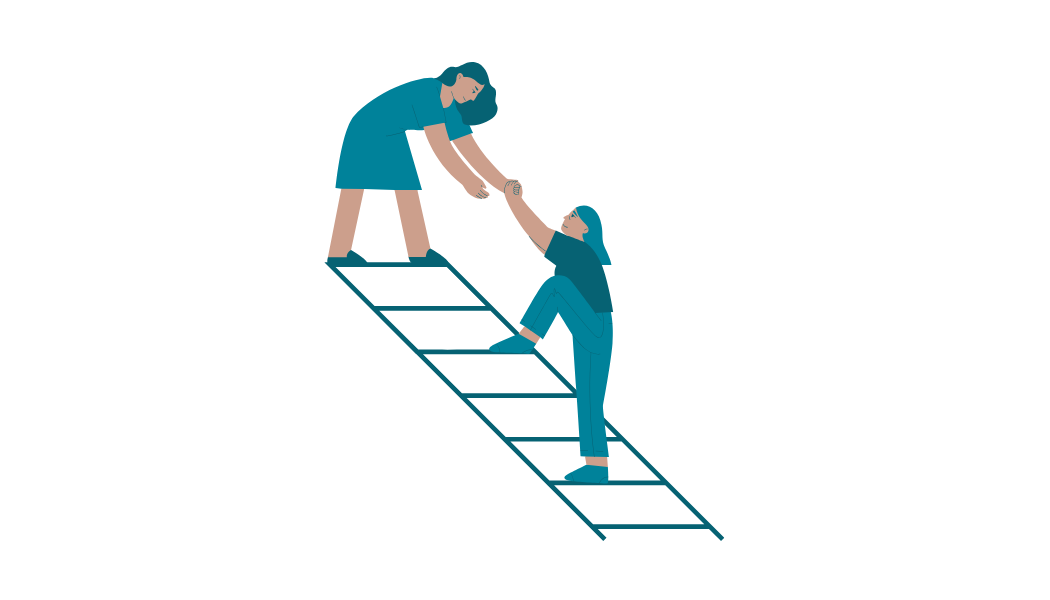
A great way to support a friend struggling with cannabis use is to learn more about the effects and impacts of cannabis use, encourage them to identify trusted adults in their lives whom they can check in with, and take care of yourself so that you can provide approachable and accessible support to your friend. Services like the CDC and SAMHSA have excellent resources to understand the risks of cannabis use. Teens largely know that all substance use is risky, particularly in adolescence. We know that teens – especially those in Montgomery and Delaware counties – are overwhelmingly making healthy choices, and have the desire and ability to support their friends [9, 10]. By celebrating adolescent health, we naturally improve it. Prevention Academy’s mission while working in school communities is to bolster the ways in which adolescents make healthy decisions to support their well-being, and to shed light on the risks of cannabis use, and available resources.
Resources that can help
There are resources available that can refer people struggling with substance use to local services:
- SAMSHA (Substance Abuse and Mental Health Services Administration) has a free and confidential hotline that can be accessed in both English and Spanish. It can be reached by both call and text at this number: 1-800-662-HELP
- SAMSHA also has a variety of articles to help teens and families navigate emergency situations
- CDC’s Free Mind Campaign is aimed at supporting teens with a variety of substance use issues, including cannabis use.
- The Department of Health’s Administration for Children and Families has a helpful Substance Use Resource Sheet
Sources:
[1] Davis, Danielle R., et al. "Cannabis use among youth who vape nicotine E-cigarettes: A qualitative analysis." Drug and alcohol dependence 234 (2022).
[2] Hines, Lindsey A., et al. "Association of high-potency cannabis use with mental health and substance use in adolescence." JAMA psychiatry 77.10 (2020): 1044-1051.
[3] “Behind the Smoke: Unmasking the Link between Cannabis and Schizophrenia.” Yale School of Medicine, 11 Mar. 2025,
[4] “Understanding a First Episode of Psychosis Young Adult: Get the Facts.” www.samhsa.gov,www.samhsa.gov/resource/ebp/understanding-first-episode-psychosis-young-adult-get-facts.
[5] CDC. “Understanding Your Risk for Cannabis Use Disorder.” Cannabis and Public Health, 26 Feb. 2024, www.cdc.gov/cannabis/health-effects/cannabis-use-disorder.html.
[6] CDC. “Understanding Your Risk for Cannabis Use Disorder.” Cannabis and Public Health, 26 Feb. 2024, www.cdc.gov/cannabis/health-effects/cannabis-use-disorder.html.
[7] Toce, Michael S., et al. "Emergency department visits for cannabis hyperemesis syndrome among adolescents." JAMA Network Open 8.7 (2025): e2520492.
[8] Yale Medicine. “Cannabis/Marijuana Use Disorder.” Yale Medicine, 2025, www.yalemedicine.org/conditions/marijuana-use-disorder.
[9] 2023 Pennsylvania Youth Survey. Montgomery County Profile Report. 2023
[10] 2023 Pennsylvania Youth Survey. Delaware County Profile Report. 2023.