Prevention Week Day 3: The Tragedy of What I Did To Fit In
By: David Sherrell

Hello again, and welcome to Prevention Week, Day 3! So far, I’ve provided you with an overview of the Social Norms Approach to prevention (SNA) and explained a little bit — the beginnings – of why this is an essential element to any program that can be described as a successful schools-based youth focused prevention effort. Although the term “social norm” is intuitive, I have also begun to unpack it a little bit more so that you can see ‘under the hood’ into the complex mechanisms underlying the simple, everyday pressure to present ourselves, to believe, and to behave in ways that are socially appropriate – in fewer words, the drive to be normal.
Recall the two questions I asked towards the end of yesterday’s piece. I asked whether you'd ever caught yourself realizing, “I thought I was the only one who _____,” when you realized that you were much closer to a norm than you thought; I also asked the other side of that question, whether you had ever realized, “I thought everybody _____,” when you realized that something you did or thought was not as common a belief or behavior as you had thought. While I do wonder what you came up with, the point of this exercise was to get you thinking in terms of those moments when we have mistaken what the norm is in relationship to our own choices. With that in mind, let me tell you a story.
Misled By Misperception
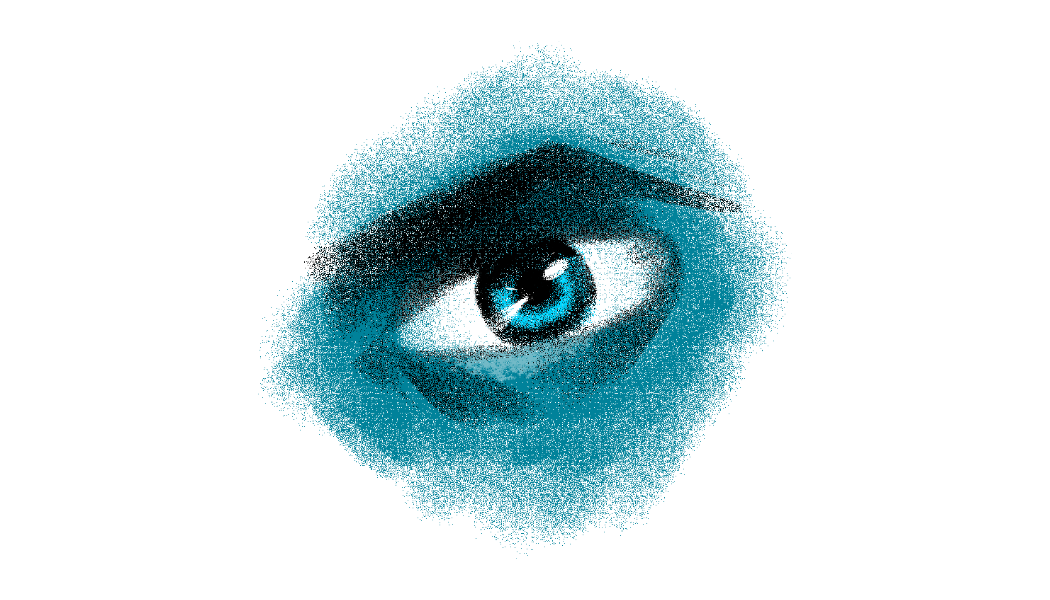
In elementary school, I was severely bullied, from kindergarten through fifth grade. The sense of isolation that I developed during my time as the class scapegoat stayed with me for a very long time; I did not realize until many years after graduating high school that the feeling persisted for much longer than I was truly isolated.
At my high school, it was not uncommon for there to be one or two parties where alcohol was served to students any given weekend of a month. There were not parties every weekend; they were, however, a routine aspect of socializing, even in some of the younger grades. I did not attend any of these parties until my senior year of high school, always because my parents forbade it; usually, though, I simply was not interested. Eventually, being on the outside of the social circles of people who attended those parties, which did include a sizable percentage of people from my class in particular, combined with the sense of isolation that I never fully shook off from being a bullied student years before, left me with the perception that just about everybody went to these parties, drank underage, as a normal part of their high school social lives.
Pluralistic Ignorance: You Are Not Alone
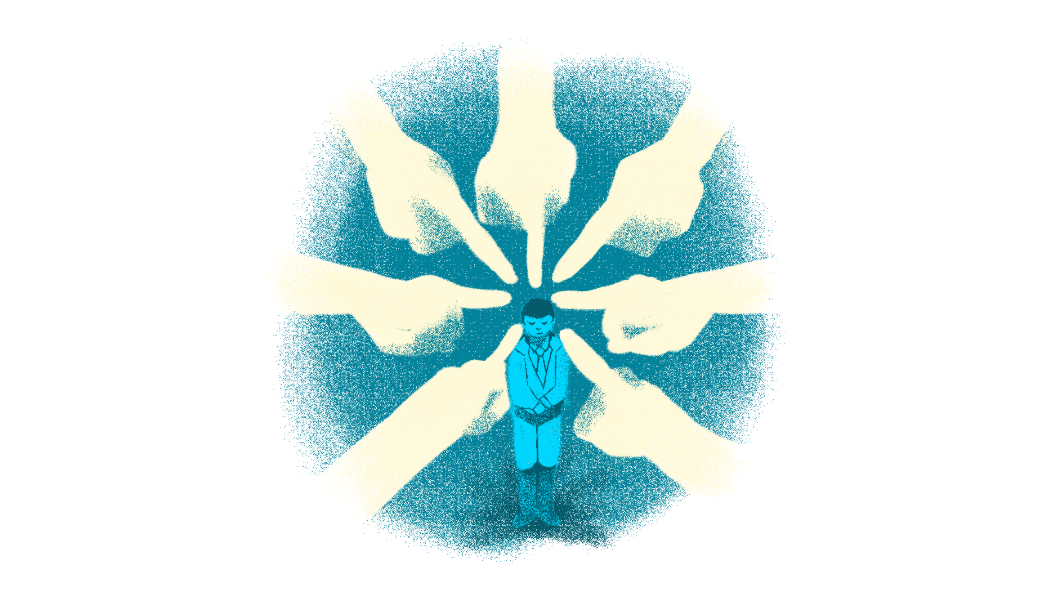
Can you relate? Have you ever looked around at your peers and seeing a norm of attitude or behavior that did not particularly interest you but did seem highly prevalent? The perception that “I'm not doing this thing, but everybody else is” is known as pluralistic ignorance. It is not realizing you are in the norm.

False Consensus: Everyone Is Not Doing It
Since I did not know I was in the healthy norm of not typically going to parties where alcohol was consumed by underage drinkers, as I closer and closer to my high school graduation, the pressure to attend these parties to drink underage grew – to embrace a social lifestyle more akin to what I had been told the collegiate experience would look like. Ultimately, I did drink while I was still underage; that sense of being the odd man out before taking that drink, and of joining a majority once I did drink, were push-pull forces motivating me to initiate and then continue substance use. That converse feeling, that I have now joined the norm even though most of my peers did not actually attend parties and drink, is called false consensus. It is the perception that you are now among the norm of a given attitude or behavior although you are not.
Isolating Misperceptions Promote Risky Behavior
Tomorrow’s topic is the developmental context in which these feelings, perceptions, and decisions occur. Most of us are now aware that the adolescent brain is still developing throughout the years of secondary school and well into what we consider to be ‘adulthood’; but may not we may not all know why it is the substance use poses such a risk during this time. For now, I will share that the major developmental challenges of adolescence are defining self and fitting in. It is a simple, universal need for adolescents, in particular (but not exclusively), to find a place of social belongingness that is fulfilling for them and reinforces their growing sense of who they are.
The misperception that the healthy choice to delay their first use of alcohol, nicotine, marijuana or any other drug places them in the minority of their peers can motivate a student toward risky behavior. If that student also perceives that substance use is a lower-risk behavior, or anticipates that their peers will pressure them to use, the internal pressure mounts further to engage in substance use as an adolescent, out of a striving to feel that belongingness.
This is why a major aspect of the social norms approach is to systematically dispel each of these misperceptions by providing the accurate norms of attitude and behavior:
- Most adolescents do not typically engage in underage alcohol use or use any other
substance; - All substance use is risky; substance use while the brain is still developing is particularly
risky; - Most students do not pressure their peers to use alcohol or other drugs.

When we reveal the healthy norms of a community, we disrupt the harmful influence of these social misperceptions. Students who think that they are on the outside when health is the norm feel better with their chosen approach to delay first use. Students who have been engaged in some substance use can reflect on their use differently once they realize that it’s not a common behavior in their age group. Providing the accurate data interrupts the ability of the misperceived norms to pressure youth to choose risky behaviors.
Tomorrow, more about the developmental context. Because we’re not just on a mission to dispel unhealthful pressures to engage in risky behavior; we also replace them with healthful messages celebrating the healthy decisions they’re already making!