Resources for Parents: Discussing & Preventing Teen Alcohol Use
By: Carly Janco, B.S. of Psychology, SJU Class of ‘26
Helping teens navigate alcohol use and related decisions can be a big concern for parents. Knowing that there are negative effects of the use of alcohol and other drugs on the developing teen brain, parents want to keep their children safe [1].
Teens – especially in Montgomery and Delaware counties – are making healthy choices. In 2023, only 46.6% of 12th graders in Delco and 47.2% in Montgomery County report having ever drank alcohol, compared to 46.9% statewide and 52.8% nationwide [2, 3, 4]. As they approach the end of the school year, opportunities for adolescents to make risky decisions will increase. Graduations, Proms, other end-of-the-year activities - and all their surrounding parties - are events where students often engage in high-risk behaviors like drinking for the first time. However, parents hold considerable influence over their child’s decision not to drink [5].
The Role of Parenting Style
Many adults assume that teen alcohol use is ubiquitous. For parents, this can feed fears that teen alcohol use is inevitable. However, parents have a lot of power in this equation. It is far from true that all students consume alcohol; this false normative belief can lead parents to take misguided action to mitigate the danger of the presumed but nonexistent use. Many parents choose to allow teens to drink in the home, hoping to guide them to safer use than they might otherwise choose. While this line of thinking is understandable, kids’ early alcohol use has been shown to lead to rapid escalation of higher-risk alcohol use in adolescence. From first drink to worrisome pattern, all use equals risk.
A 2019 study showed that among 14-year-olds, those whose parents allowed drinking in the home were 140% more likely to drink heavily, and 94% more likely to go quickly from their first drink to binge drinking, than 14-year-olds whose parents did not allow drinking in the home [6]. Additionally, according to a separate 2019 study, teens who engaged in binge drinking were more likely to perpetrate sexual harassment and stalking, and more likely to be a victim of stalking and dating violence than those who do not. When measured against themselves in periods of time when they are not engaging in binge drinking, teens who binge drink are more likely to perpetrate dating violence, and to be victims of sexual harassment in periods when they are binge drinking [7]. Such violence - for both perpetrators and victims - has consequences to mental and physical health that can then lead teens to further substance use in order to cope [8]. Parental permissiveness in allowing teen drinking, even when very well-intentioned, can set this substance-use trajectory in motion, thus making it even harder for teens to make informed, healthy decisions around alcohol.
What Does Effective Prevention Look Like?
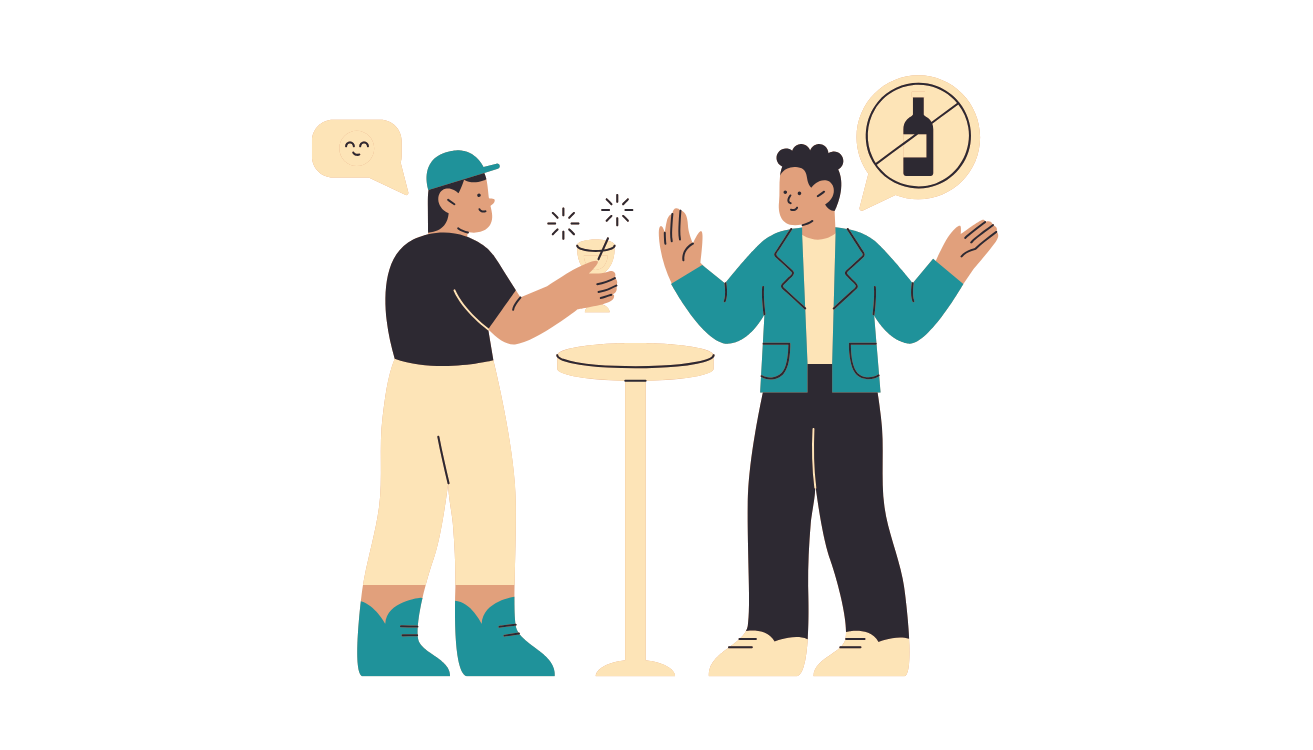
At Prevention Academy, we use dialogue and storytelling to teach adolescents about data-driven, effective prevention measures. Teens want to make healthy choices – and are overwhelmingly doing so. By prompting conversations about teen alcohol use, parents can support their teens in making healthy choices as well. Conversations help build trust around these topics between parents and teens. Let your teens know that you trust and respect them and celebrate their ability to grow and thrive. Ask open ended-questions to learn more about their perceptions of teen substance use. As teens navigate new freedoms, achievements, and end-of-the-year celebrations, parents have opportunities to continue having these crucial conversations that empower the healthy choices they are already making with their teens.
Interested in learning more about what effective prevention looks like? Check out David’s article on Alcohol Awareness Month!
Some resources that can help parents navigate these conversations:
Sources:
[1] Centers for Disease Control and Prevention. “Substance Use among Youth.” Reducing Health Risks among Youth, 29 Nov. 2024, www.cdc.gov/youth-behavior/risk-behaviors/substance-use-among-youth.html.
[2] 2023 Pennsylvania Youth Survey. Delaware County Profile Report. 2023.
[3] 2023 Pennsylvania Youth Survey. Montgomery County Profile Report. 2023
[4] Monitoring The Future. “Alcohol: Trends in Lifetime Prevalence of Use in 8th, 10th, and 12th Grade.” Monitoringthefuture.org, 2023, monitoringthefuture.org/data/bx-by/drug-prevalence/#drug=%22%22.
[5] National Institute on Alcohol Abuse and Alcoholism. “Parenting to Prevent Childhood Alcohol Use National Institute on Alcohol Abuse and Alcoholism (NIAAA).” Nih.gov, 2017, www.niaaa.nih.gov/publications/brochures-and-fact-sheets/parenting-prevent-childhood-alcohol-use.
[6] Staff, J., & Maggs, J. L. (2020). Parents Allowing Drinking Is Associated With Adolescents' Heavy Alcohol Use. Alcoholism, clinical and experimental research, 44(1), 188–195. https://doi.org/10.1111/acer.14224
[7] Waterman, E. A., Lee, K. D., & Edwards, K. M. (2019). Longitudinal associations of binge drinking with interpersonal violence among adolescents. Journal of Youth and Adolescence, 48(7), 1342-1352.
[8] “Underage Drinking | National Institute on Alcohol Abuse and Alcoholism (NIAAA).” Nih.gov, Jan. 2025, www.niaaa.nih.gov/publications/brochures-and-fact-sheets/underage-drinking.