
Nicotine: Risks for Teens
By: Juliette Louer, B.S.P.H.
We’ve come a long way in supporting youth around the dangers of cigarettes. However, nicotine is still very prevalent in our society. Smoking and nicotine is not just for old people and it’s not a thing of the past. As we’ve changed as a society, so has nicotine. It’s important to understand the risks associated, as the harm is not only due to how we use it (smoking), but the drug itself.
In the past, smoking became a part of American culture, with both laws and societal norms permissive and almost expecting people to smoke. Given what we now know, this is unconscionable. In an effort to protect our youth and human beings at large, the US has increased the legal age of use and purchase from 18 to 21 [1], and greatly restrict where adults can use tobacco products. And while most people accurately assume that teens are not smoking cigarettes, there are misperceptions about the use of other nicotine products, like vapes and nicotine pouches. Throughout the years, teens have changed, so have their interests and habits. To keep up demand, tobacco companies have created new electronic delivery systems like vapes and oral nicotine pouches, as cigarettes and tobacco products are viewed as things of the past. While these new products are currently more popular than cigarettes and cigars, the overwhelming majority of youth are still choosing not to use nicotine.
When surveyed in 2025, only ~6% of 8th graders, ~12% of 10th graders, and 21% of 12th graders have used a nicotine product in the last 30 days [2]. These numbers have continued to decrease dramatically since 2019, with more and more teens actively choosing not to use nicotine products. This is largely due to public health programs, messaging, and education that expose the risk of nicotine use especially for adolescents and empower them through education, commercials from advocacy organizations that show the reality of nicotine use, and even social media influencers who may be documenting their healthy lifestyles (ex. 75 hard challenge). Understanding what nicotine is and what it does to the body allows you to be more informed and empowers you to make healthy choices.
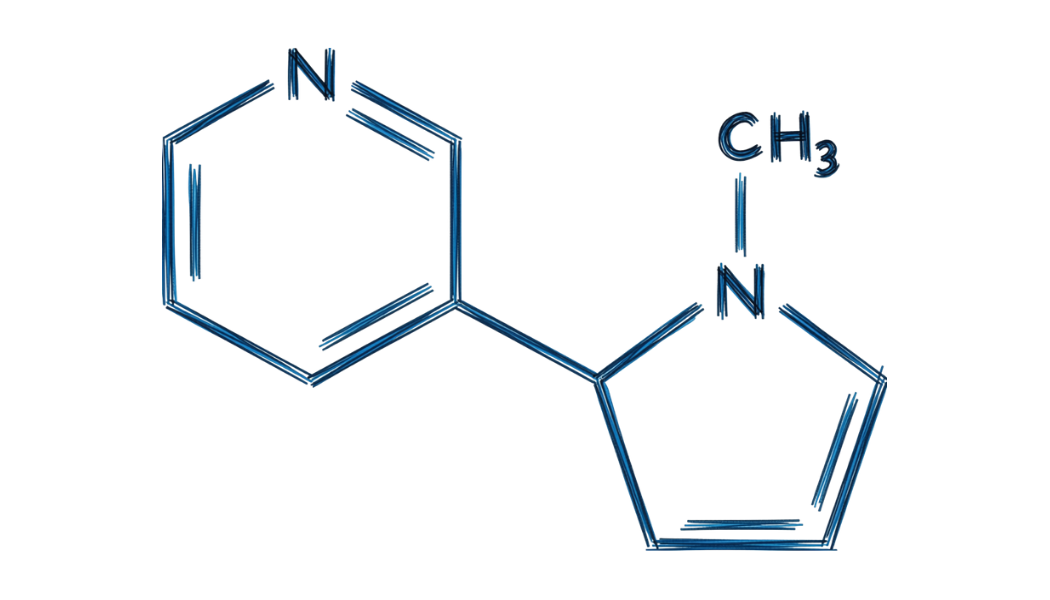
What is it?
Nicotine is an organic pesticide derived from the tobacco plant, often chemically altered to increase the amount of nicotine available, especially in vapes and nicotine pouches [3]. This makes nicotine products highly addictive and can take the average person over 30 times to quit [4]. Nicotine is a stimulant, meaning it speeds up body processes and increases dopamine, while also providing a false calming effect when releasing serotonin [5]. The health effects of nicotine use are extensive and serious, both for physical and mental health.
Contrary to popular belief, heart and lung consequences from nicotine are not just from smoking, but from the drug itself. Nicotine is a cardiovascular restrictor, with nicotine reducing blood flow to the heart, and forcing the heart to work harder to pump in oxygen. So while someone may feel more energized, due to the heart pumping hard, it actually damages the heart, impacting performance in sports, singing or theater, dancing, and other physical hobbies. Appearance-wise, nicotine use can cause skin issues (development or worsening of acne) [6] and teeth problems (yellowing of teeth and bad breath) [7]. As for mental health, nicotine can increase feelings of irritability, anxiety, moodiness, and depression, as well as changing one’s brain chemistry if used prior to the complete development of the brain [8] (mid to late 20s) [9].
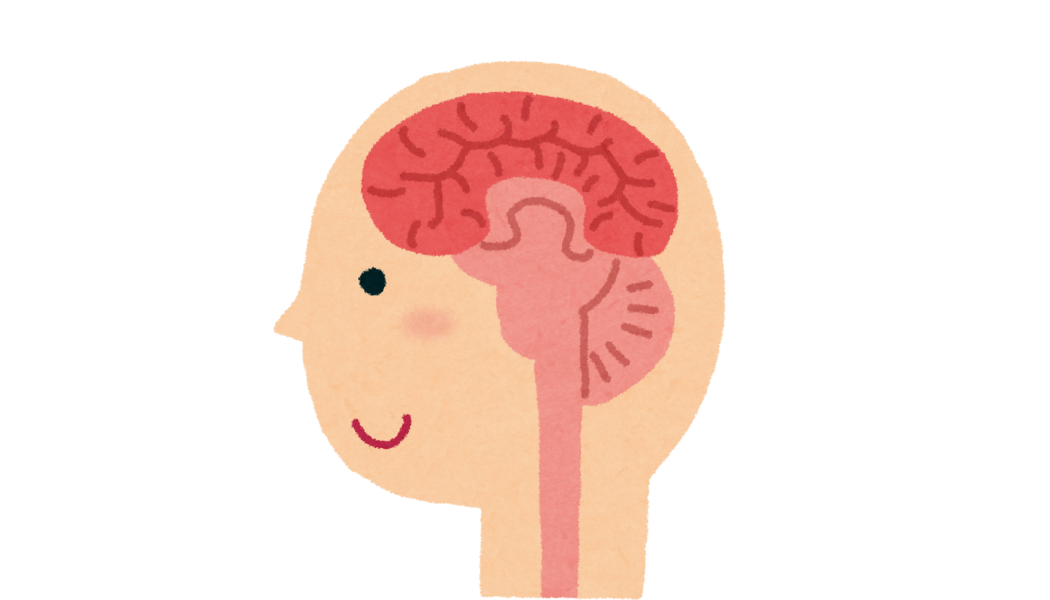
What makes teens more vulnerable?
There are several ways teens are at an increased risk of nicotine use and addiction. The developing brain is malleable and soft, vulnerable to disruptions from things like substances. When someone introduces a substance like nicotine into their body while still developing, it can disrupt brain function and the development of key brain receptors, rewiring the brain to crave nicotine. Secondly, the use of media and marketing strategies that target youth also increases risk. A significant reason for the development of new nicotine products (vapes and nicotine pouches) is to specifically target young people, giving the tobacco industry lifelong customers.
“Younger adult smokers are the only source of replacement smokers. If younger adults turn away from smoking, the industry must decline. ” - R.J. Reynolds, tobacco company owner from the late 1800s
The tobacco industry has had to pivot their marketing in the past, making cigarettes more attractive to groups who were not using before, like women and teenagers. And once that stopped working, they pivoted again. Now the tobacco industry has once again set their eyes on teens, this time by using fun colors, candy-like flavors, vape devices with video games, and influencer marketing. They are predatory and rapacious, working to manipulate teens to purchase nicotine products and eventually become addicted to them, creating lifelong customers. The tobacco industry makes a significant amount of money, due to both adult users and new teen users. The average nicotine user spends from $1,000 to $3,500 a year on nicotine products, going directly in the pocket of tobacco companies. The current minimum wage in Pennsylvania is $7.25/hour [10], and with most teens working minimum wage jobs, a nicotine addiction can cost from 140 to over 500 hours of work per year. These factors, paired with e-cigarettes being misrepresented as a “lower risk” than other nicotine products, puts teens at an increased risk of using nicotine and becoming addicted [11]. All teens have the right to be protected from these predatory companies and have authority over their own health choices.
What to do when…
A friend needs help [12]: Check your understanding of nicotine, approach with empathy and understanding, involve a trusted adult (family, coaches, school faculty, etc.), and be supportive of them quitting by identifying healthy coping strategies
You have questions about nicotine: There are plenty of trusted resources available for those who want to learn more about nicotine and/or nicotine addiction. These include the Centers for Disease Prevention and Control (CDC), the World Health Organization (WHO), the Truth Initiative, and Prevention Academy’s own EmpowerED Library!
I’m not using nicotine, why do I need to know this?
While an overwhelming amount of teens today are making incredibly healthy choices, including the decision to not use nicotine products, continuing to be knowledgeable about the impacts of nicotine and its health effects are still imperative. There’s a high likelihood of encountering nicotine through adolescence, whether through friends, family, or even seeing it at a gas station or on TV. To be informed is to be empowered. Keep doing the good work: make healthy decisions, reach out if you or someone you know needs help, and stay informed.
Sources:
1. Kim SCJ, Martinez JE, Liu Y, & Friedman TC. US Tobacco 21 is paving the way for a tobacco endgame. Tobacco Use Insights. 2021;14: 1-5. doi: 10.1177/1179173X211050396.
2. Miech, R. A., Patrick, M. E., O’Malley, P. M., Jager, J. O. and Jang, J. B. (2026). Monitoring the Future national survey results on drug use, 1975–2025: Overview and detailed results for secondary school students. Monitoring the Future Monograph Series. Ann Arbor, MI: Institute for Social Research, University of Michigan. Available at https://monitoringthefuture.org/results/annual-reports/
3. American Lung Association. Nicotine. https://www.lung.org/quit-smoking/smoking-facts/health-effects/nicotine. Updated September 9, 2024. Accessed August 11, 2026.
4. Kreslake J. Quitting nicotine: Facts and stats. Truth Initiative. https://truthinitiative.org/research-resources/quitting-smoking-vaping/quitting-tobacco-facts-and-stats. Published Jan. 01, 2026. Accessed August 11, 2026.
5. NIDA. Is nicotine addictive?. National Institute on Drug Abuse. https://nida.nih.gov/publications/research-reports/tobacco-nicotine-e-cigarettes/nicotine-addictive. Published January 1, 2020. Accessed August 11, 2026.
6. Lipa K, Zając N, Owczarek W, Ciechanowicz P, Szymańska E, Walecka I. Does smoking affect your skin?. Advances in Dermatology and Allergology/Postępy Dermatologii i Alergologii. 2021;38(3):371-376. doi:10.5114/ada.2021.103000.
7. Alayadi H. The impact of nicotine patches on gingival and oral health: A narrative review. Cureus Journal of Medical Science. 2024:16(9). https://doi.org/10.7759/cureus.70571. Accessed August 11, 2026.
8. Hair E. Nicotine and the young brain. Truth Initiative. https://truthinitiative.org/research-resources/harmful-effects-tobacco/nicotine-and-young-brain. Published Jun. 08, 2022. Accessed August 11, 2026.
9. National Institute of Mental Health. The teen brain: 7 things to know. National Institutes of Health. https://www.nimh.nih.gov/health/publications/the-teen-brain-7-things-to-know. Revised 2023. Accessed August 11, 2026.
10. U.S. Department of Labor. State Minimum Wage Laws. Wage and Hour Division. https://www.dol.gov/agencies/whd/minimum-wage/state#pa. Updated July 1, 2026. Accessed August 11, 2026.
11. Centers for Disease Control and Prevention. E-Cigarettes (Vapes). Smoking and tobacco use. https://www.cdc.gov/tobacco/e-cigarettes/index.html. Published Jan. 31, 2025. Accessed August 11, 2026.
12. SAMHSA. How to talk to someone about help for mental health & substance use. https://www.samhsa.gov/find-support/helping-someone/how-to-talk-to-someone-about-help. Published April 24, 2023. Accessed August 11, 2026.