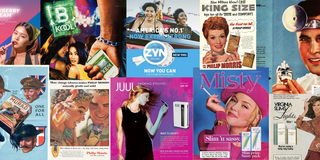
Selling the Smoke: A Deep-Dive into the Predatory Marketing Strategies of Big Tobacco (1860-2026)
By: Juliette Louer, B.S.P.H.
How has tobacco and nicotine marketing changed?
Throughout time, the tobacco industry has worked meticulously to attract and retain customers, mainly by manipulating the addictive properties of tobacco and nicotine products, as well as their exploitative marketing strategies.
Just as people change, the times do as well. In an attempt to ‘modernize’ nicotine use, the tobacco industry has had to adapt to captivate customers. This includes inventing different types of products, from chewing tobacco, to cigarettes, then electronic nicotine delivery systems (ENDS i.e, e-cigarettes/vapes), and now nicotine pouches. Through the use of both traditional and social media, tobacco companies have continuously preyed on the trust of various segments of society through their aggressive advertising campaigns. Using gender roles, physician campaigns, glamour, youth experiences, social activities, and health and wellness trends, tobacco companies have relentlessly exploited the robust, yet common human experience, by attaching these ideals to the use of nicotine.
Becoming aware of past advertising strategies and the manipulative marketing techniques of tobacco companies empowers youth to discern when they are being manipulated or targeted by predatory industries. This not only saves youth money, as the financial cost of a nicotine addiction is hefty, but can help prevent nicotine addiction and the associated health impacts [1].
Knowledge is power. Educating ourselves about the past can lead to an informed future.
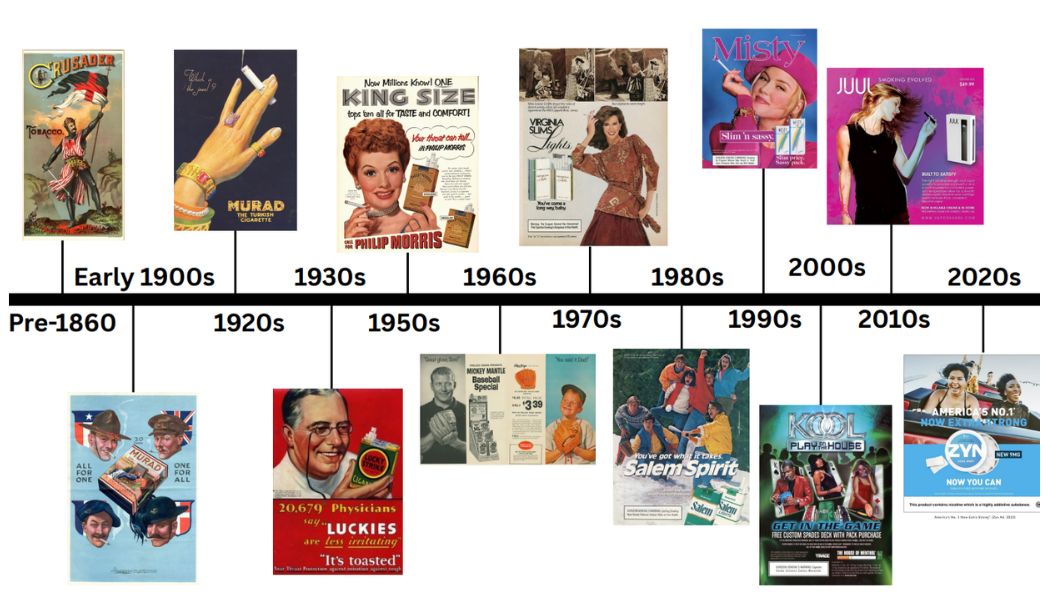
Pre-1860s
Prior to the development of cigarettes (tobacco rolled in paper), chewing tobacco was the most popular way to ingest tobacco. Its use began centuries ago, first by various Indigenous tribes, then adopted by colonizers and the military [2].
As time went on, a different way to ingest tobacco came about - cigarettes. Prior to the Civil War, cigarettes were all made by hand, reducing the number of products one could sell. In the 1880s, James Bonsack invented and patented a cigarette machine [3]. While most tobacco companies believed the machine would be faulty or lead to a lack of quality products, Duke & Son’s tobacco company decided to purchase a Bonsack machine to keep up with demand [4]. This revolutionized the tobacco industry, leading to an increase of cigarette production and customers, including those in the military. As a result, addiction to tobacco (whether chew or cigarettes) also increased.
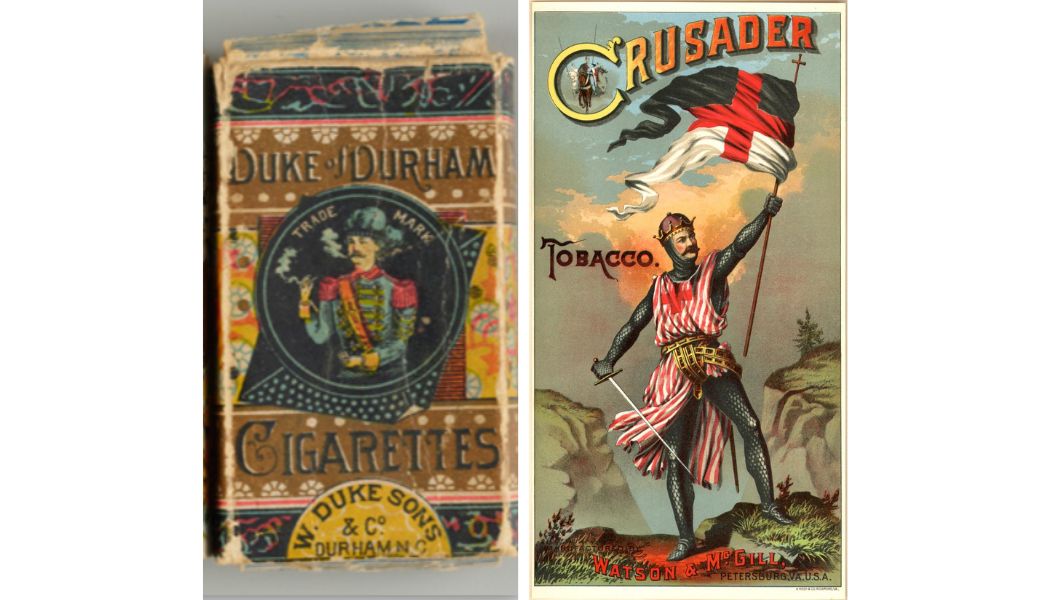
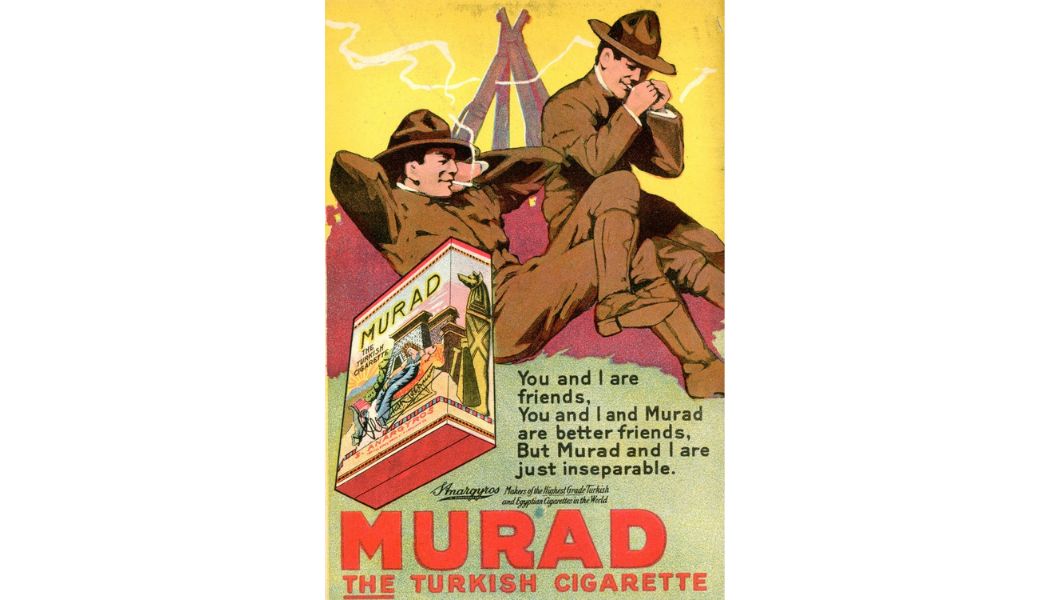
Due to the lack of what we now know as traditional media (billboards, TV ads), most tobacco advertisements were small or targeted current smokers. This included placing a marketing card inside a carton of cigarettes, often decorated with iconography from war (civil war generals, birds, soldiers), and even images of popular baseball players. This targeted those in the military, as well as those who supported or idolized military soldiers.
Early 1900s
While still early in tobacco research, there were already several organizations that embodied an anti-smoking message prior to World War I [5]. In a counter-campaign, tobacco companies began heavily marketing their products and targeting specific audiences. One significant group were soldiers.
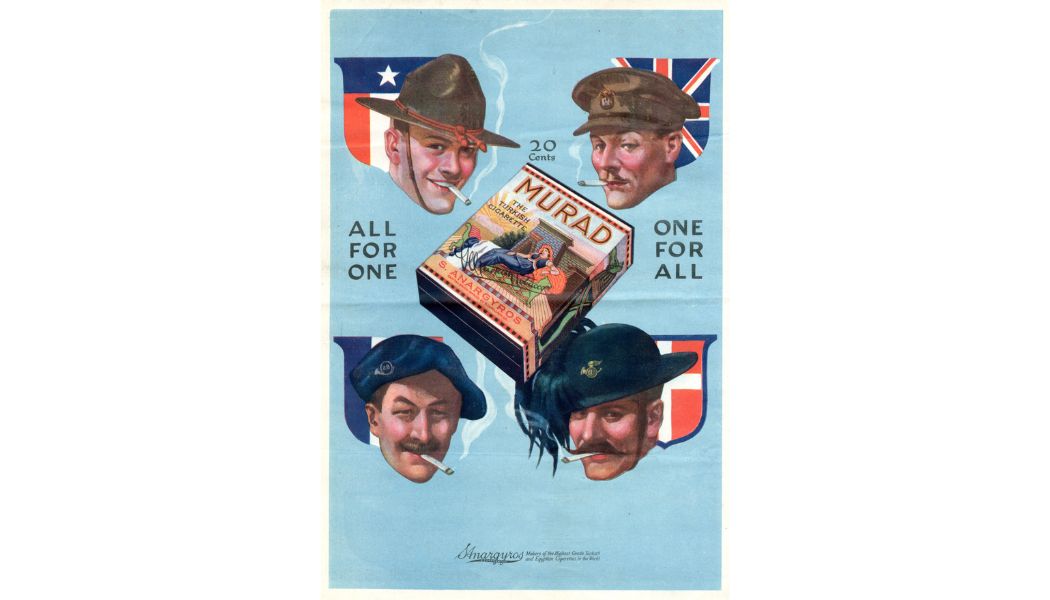
During World War I and World War II, cigarettes were provided to soldiers as rations or “free samples” through the 1917 Send Tobacco war effort, which involved the gathering of tobacco funds from organizations like the Salvation Army and Red Cross [2]. The promotion of smoking was not just on an industry or policy level, but also through various leaders and commanders during war. This is an early look into the influencer marketing of today - using popular figures to promote tobacco and nicotine use.
General John Pershing, a Western Front Commander, was asked what America needed to win World War I. His response? “Tobacco as much as bullets" [2].
The inclusion of cigarettes as rations and the frequency of smoking within the military, not only caused many soldiers to become addicted to smoking, but also had a trickle-down effect. Many people looked up to and supported soldiers, meaning the normalization of soldiers smoking (both during war and on advertisements) which encouraged others to begin smoking as well. This, coupled with ads expanding across culture and both sides of the conflict, showed soldiers from several countries smoking with their troops. This encouraged the idea that smoking is a social act that shows camaraderie within military squads.
1920s
Around the 1920s, the tobacco industry realized an untapped market, women.
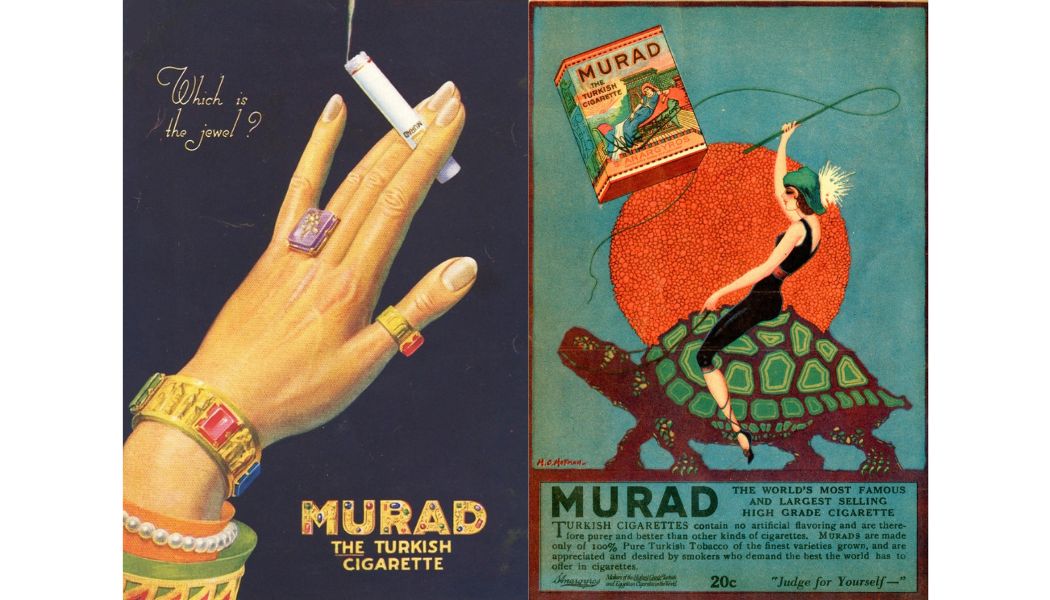
Prior to the 20s’, it was not socially acceptable for women to smoke, as it was seen as “unlady-like” and went against social norms. This is likely due to past gender norms and possibly the clear connection between smoking and soldiers, which were primarily men. Because tobacco companies wanted to expand their customer base and grow the number of cigarette users, they intentionally targeted women. They found that, as they were dealing with a different audience, they would have to manipulate their marketing strategies, focusing on changing the narrative around smoking (that it was not only for men).
A quote from a 1919 newspaper article stated, “most women smoke for effect: merely to be up-to-date” [6].
Tobacco companies began using glamorous women with up-to-date fashion, often likening smoking cigarettes to a fashion statement (like equating a cigarette to a jewel). This was used to perpetuate the idea that “everyone was smoking” and that to be up-to-date or on trend, one has to smoke. This is similar to current marketing strategies targeting youth, showing how adults can also be manipulated by tobacco marketing.
1930s
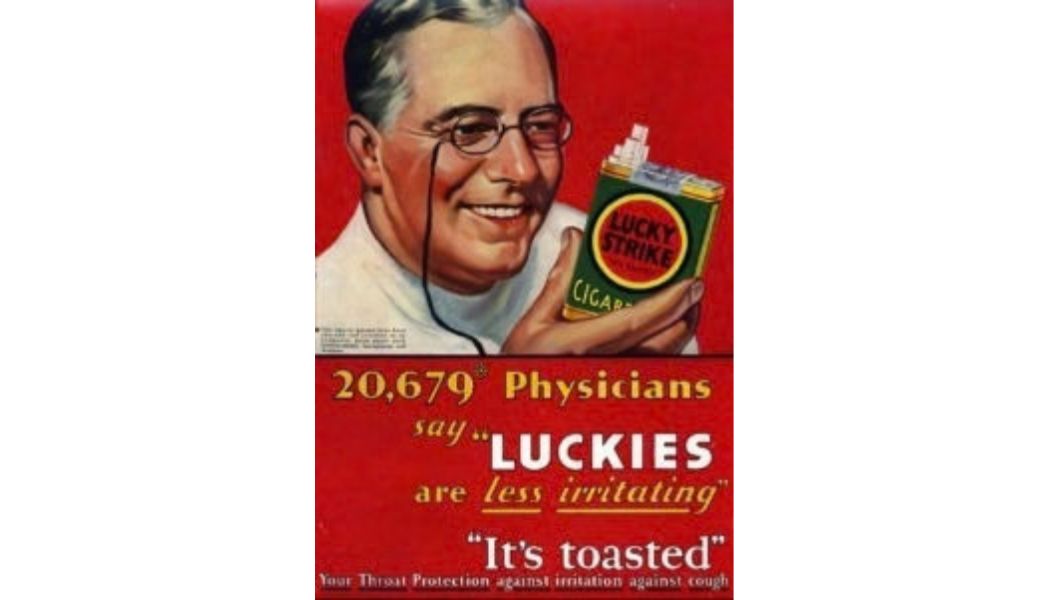
In the 1930s, Camel tobacco company decided to deploy a More Doctors Smoke Camels ad campaign, by using doctors, trusted health providers to encourage smoking. By using imagery of doctors, nurses, and other physicians smoking cigarettes, it perpetuated the idea that smoking was healthy, so healthy that even doctors did it!
These advertisements use specific numbers (ex. 20,679) to create false reliability, when in reality, the number is completely fabricated. These images were also shown in the Journal of the American Medical Association, which furthered the idea that the information was trustworthy and that doctors were accepting of smoking [7].
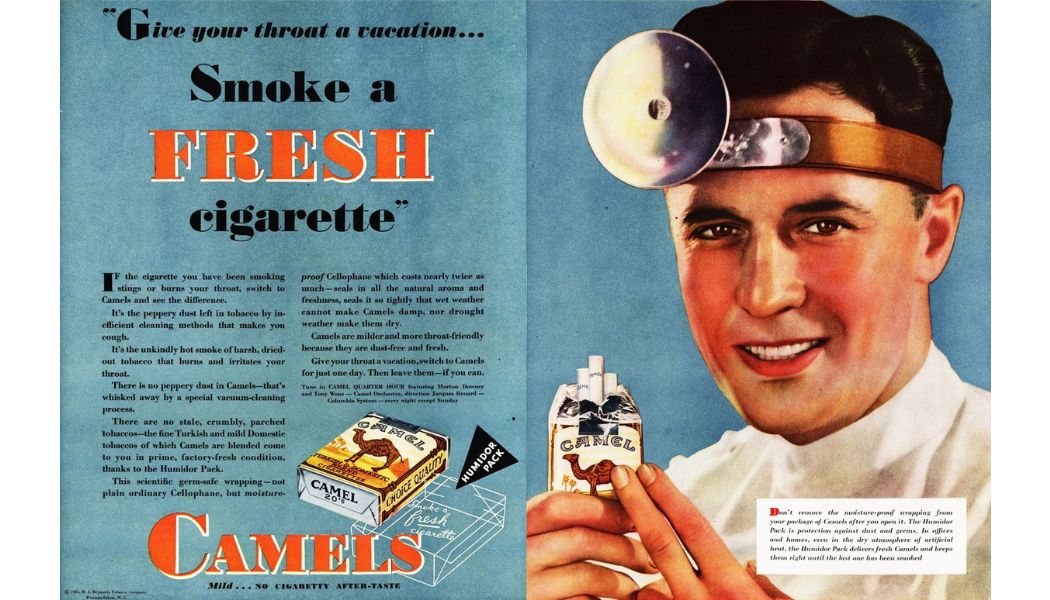
Big Tobacco further exploited the use of physicians in marketing campaigns that specifically claimed smoking would not irritate the throat. This perpetuated the idea that smoking was healthy and accepted, as it was said that there was no irritation associated. We now know that this is false, as both smoke and tobacco itself are irritants, leading to a vast number of health issues (heart disease, lung cancer, and respiratory infections) [8]. Overall, the use of medical professionals, falsified data, and trusted imagery, are a manipulation strategy used by Big Tobacco.
1950s
During the 1950s, scientific authorities began to look into the health effects associated with smoking. In response, tobacco companies collaboratively published, A Frank Statement to Cigarette Smokers, which placed doubt in consumers minds and disputed scientific information [9]. They stated tobacco companies would engage in tobacco research and that they would cooperate with the public health industry, thus allowing them to combat the information without denying it [10]. Tobacco companies continued to market and produce cigarettes, ignoring any anti-smoking research or sentiments.
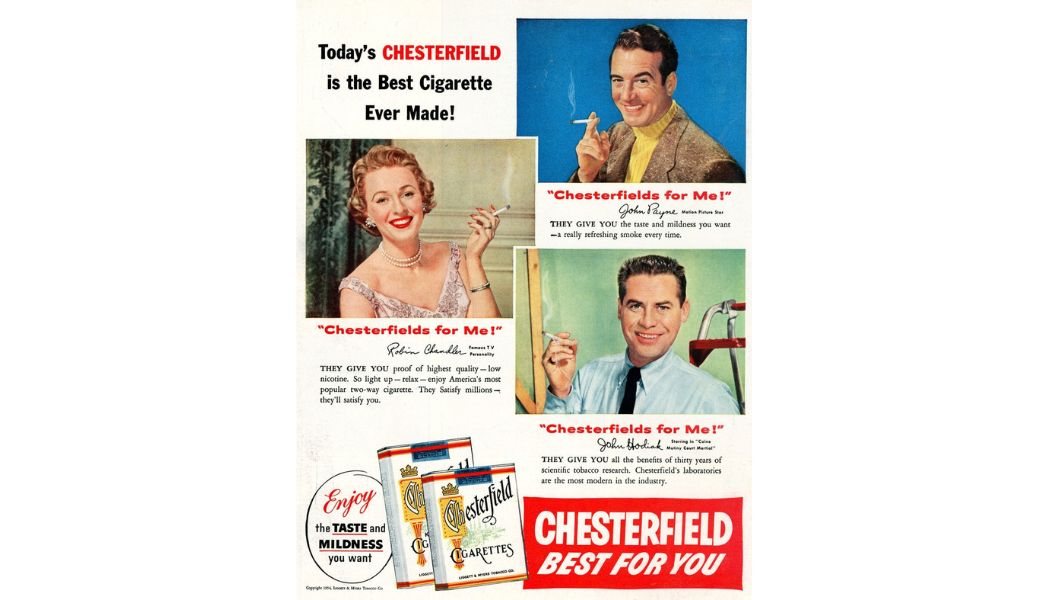
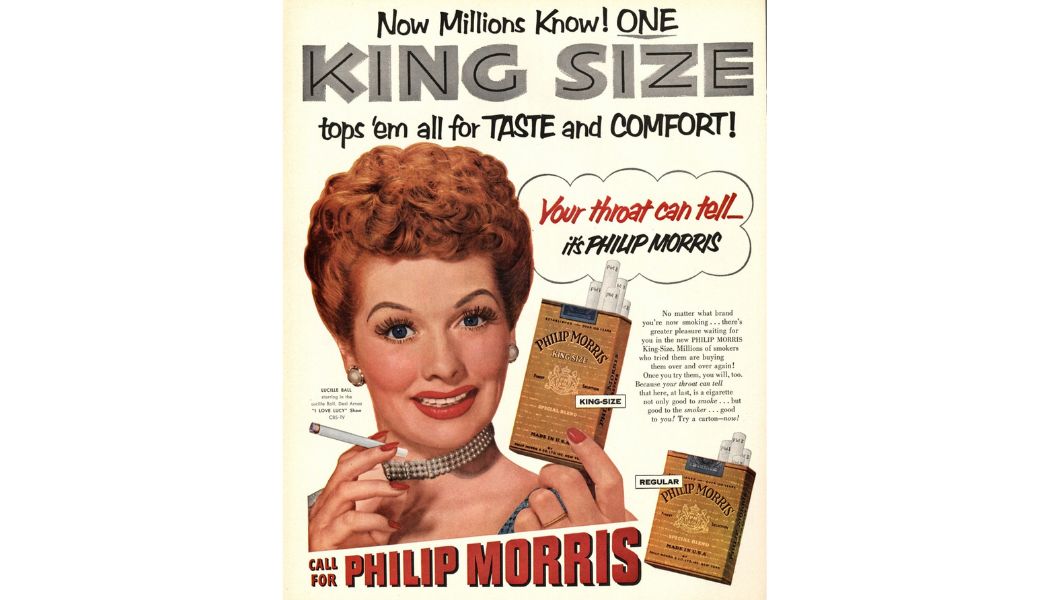
As TV and movies began gaining more popularity, various tobacco companies started using the draw of celebrities to increase their sales. In the 1950s, celebrities like Lucile Ball, James Arness, and Frank Sinatra were put on billboards and advertisements, exclaiming their support of cigarette companies [11]. The use of celebrity influence is incredibly common within the tobacco industry, with more modern times switching from TV and movie stars to social media influencers.
1960s
Around the 1960s, children and teens began being used prominently for marketing campaigns. Though ads with young children did not commonly show children actually smoking or using cigarettes, they often used children being surrounded by adults smoking to normalize the behavior. This includes incentives that may offer prizes for children if someone purchases a certain amount of cigarettes, or baseball cards placed inside cigarette packs.
On the other hand, as there was no national legal age to purchase cigarettes and states passed their own laws, teens from 14-18 could legally purchase tobacco products [12]. Due to teenagers being included as legal customers, several ads targeted teenagers. These were often marketed as “lighter”, had flavors, and showed teenagers smoking cigarettes in high school settings.
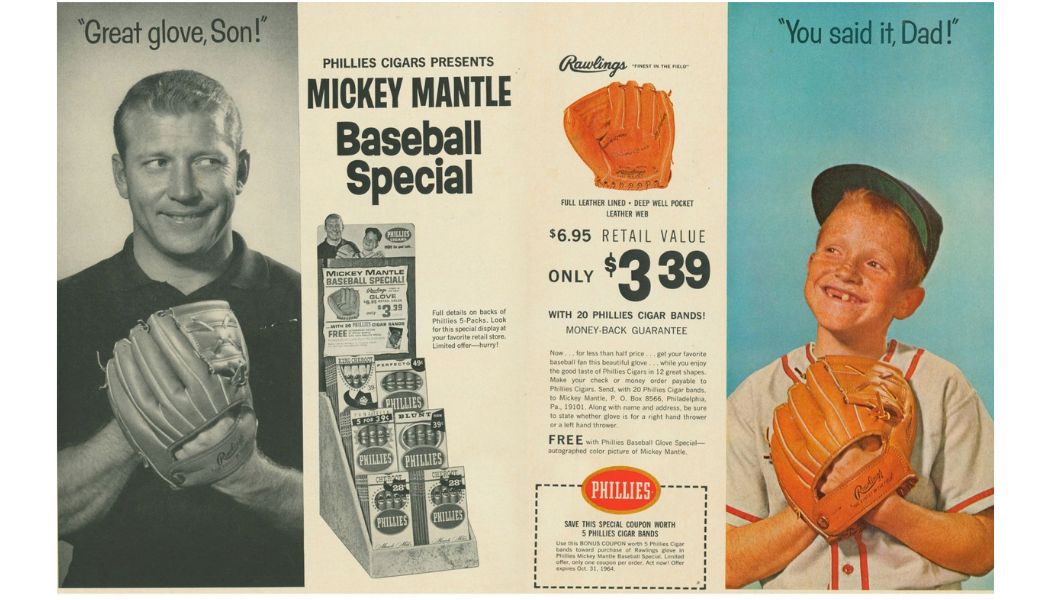
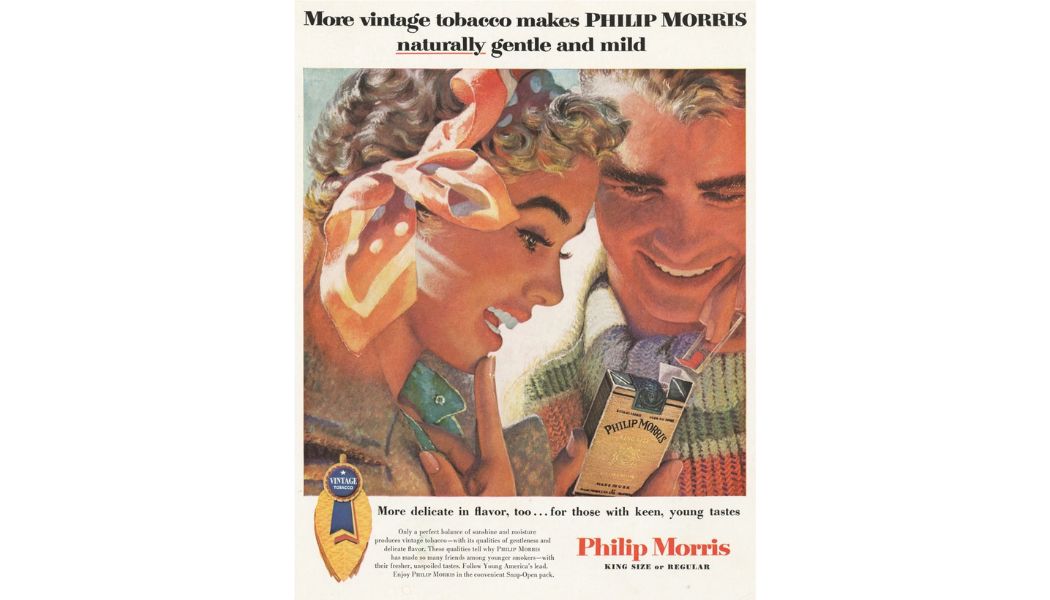
From the 1960s forward, youth continued to be heavily leveraged for tobacco marketing strategies, both explicitly and implicitly. Throughout time, prominent tobacco companies have studied the tobacco use of teenagers, changing their marketing based on interests, trends, and current policies. In the 1980s, Philip Morris, a prominent tobacco company, had their internal memo released. In this memo, the tobacco company stated, “Today's teenager is tomorrow's potential regular customer, and the overwhelming majority of smokers first begin to smoke while still in their teens. [13]” No matter what marketing techniques tobacco companies use, like suggesting their product is “healthier” or “not addictive”, their ultimate goal is to make money from their product, even if it means manipulating youth and harming their health.
1970s
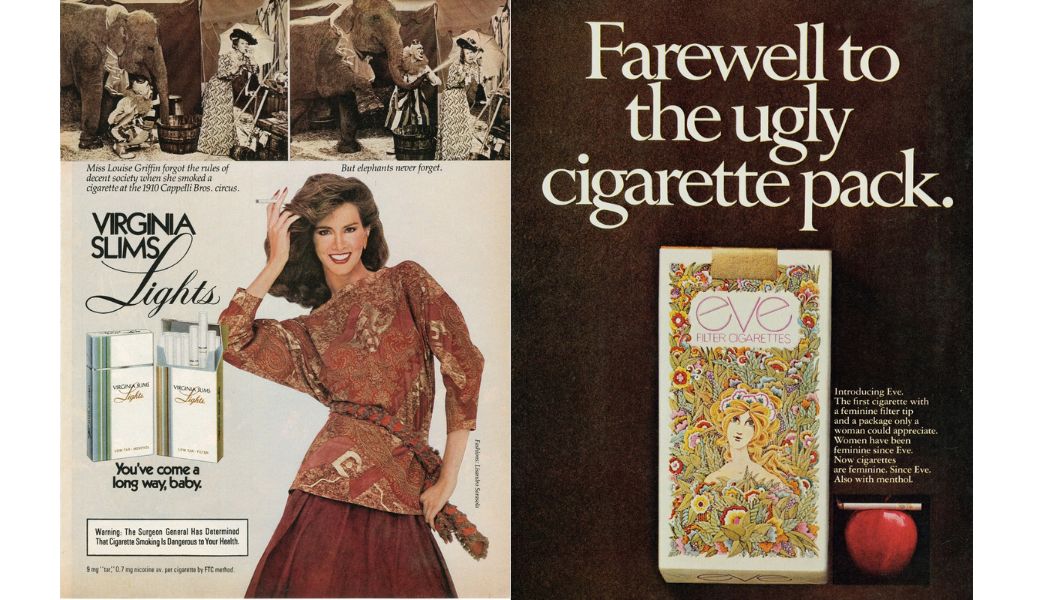
While there had been previous tobacco marketing towards women, there was a switch in how women were targeted in the 1970s.
Tobacco companies used the women’s liberation movement to entice female smokers, equating the values of freedom and equality to the act of smoking cigarettes. Virginia Slims, a popular cigarette company at the time, actually used the following slogans: “Virginia Slims. It’s a woman thing” and “You’ve come a long way, baby” on almost all of their ads [14]. Many of these ads contain a historical image, showing how women were previously treated as inferior, then paired with a liberated woman (as a superhero, on Mount Rushmore, playing with male/female stereotypes, etc.). This equated smoking to empowerment, targeting something women held near and dear, while simultaneously manipulating their values to include tobacco use, thus creating nicotine addiction.
Cigarettes themselves were also changed, using a floral pattern for cigarette packaging and marketing them as “light” tasting, all to target women. There were several ads with this changed cigarette packaging, including some showing women wearing clothes with the cigarette package pattern, once again pushing the connection between smoking and fashion for women that was first used in the 1920s.
1980s
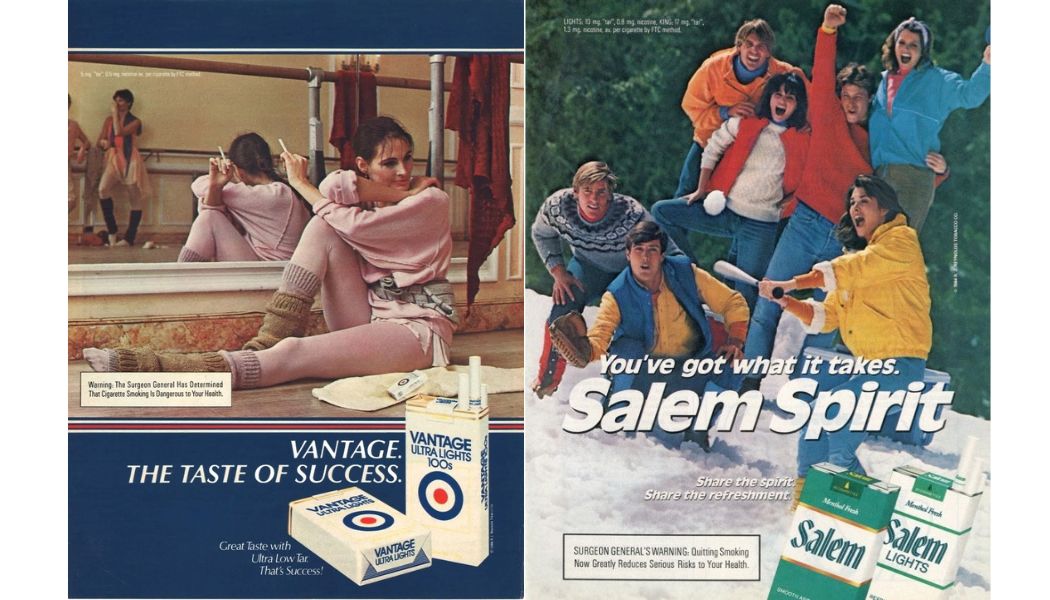
In the 1980s, the use of bright and fun colors was prominent, as were adverts with youth using cigarettes. Common advertisements in the 1980s showed young people having fun, hanging out with friends, playing sports, dancing or listening to music, and especially while smoking cigarettes. These advertisements were placed in magazines, billboards, and television commercials, widely accessible to teens [15]. Simultaneously, a 1985 U.S. Supreme Court case involving a 14-year-old student who was caught with cigarettes in her bag, New Jersey v. T.LO. [16], was reported. T.L.O’s teacher searched her bag without permission, with T.L.O later citing a violation of the Fourth Amendment (right against unreasonable searches and seizures). While the Supreme Court ruled this was not a violation of the Fourth Amendment, they did find that it should apply to school officials (previously only applied to law enforcement). These factors, as well as schools being permissive of cigarette use on school property [17], shaped the normalization of teens smoking cigarettes, even in school settings (which would be unheard of now!). We now know that smoking and using nicotine at all is a cardiovascular restrictor, significantly impacting performance activity [18]. This was previously unknown, as smoking was normalized in sports and active settings. This included ads that use images of dancers and various other sport-related images. Using tobacco forces one's heart to pump harder, leading to increased strain. This paired with the lung impacts of smoking, can actually lead to poor performance (which is not what the ads suggest!).
1990s
In response to smokers becoming worried about the health impacts of smoking cigarettes, tobacco companies began highlighting “light” or “low tar” cigarettes (introduced in the 1960s) [19]. These were offered as a “healthier” option, as people perceived them to have less tobacco. In actuality, “light” cigarettes still put people’s health at risk. These cigarettes had small holes in the cigarette filter, which acted as a vent. While some believed this would mean less toxins would be breathed into the body and lungs, it actually created more carcinogens (cancer causing toxins). These holes changed the way the tobacco was burned, and caused people to take more frequent and deeper breaths, which introduces more toxins into the lungs [20].
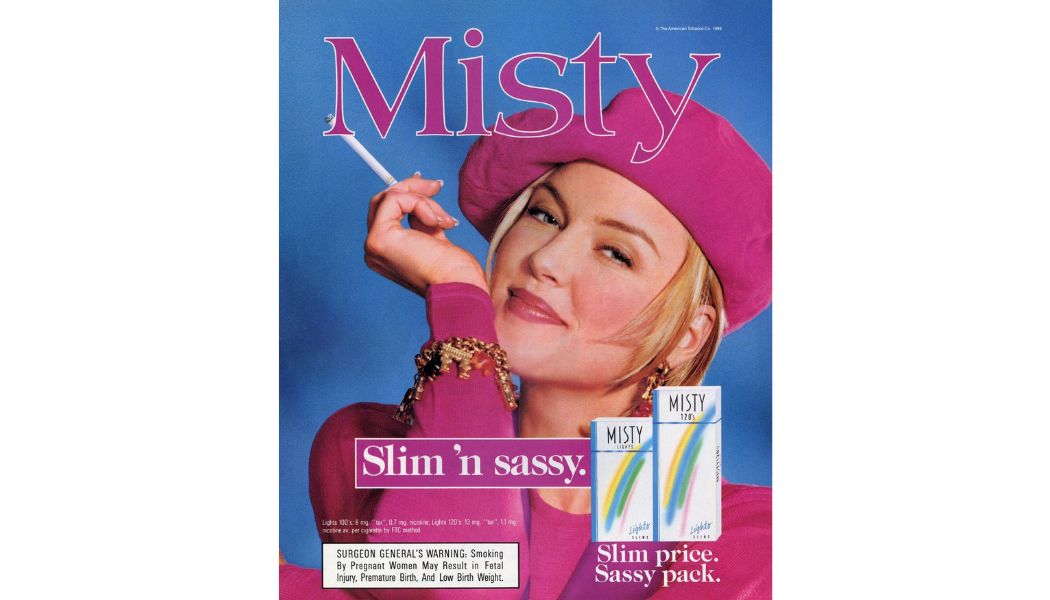
The ads used for “light” or “low tar” cigarettes commonly used and targeted women, using words like “slim”, “skinny”, and “sassy”. They often used women wearing on-trend clothes, holding a cigarette, and the colorful cigarette box. This is similar to the way women were targeted in the 1920s and 1970s, as tobacco companies adapted to cultural and fashion changes.

More broadly, images like rhinos on ice, hot air balloons, and other imagery related to traditionally heavy things being referred to as “light”, began to be used. This series focuses more on light as a flavor or feeling, compared to ads targeting women that perpetuated “light” as thin or slim.
2000s
With the genesis of the 21st century, the 2000s launched us into the Information Age and a technological boom. The internet and cellular devices became expected, and everything suddenly became visible. This prompted tobacco companies to utilize popular culture and the internet heavily, including using up-to-date styles and online ads. This included imagery of people smoking in nightclubs, casinos, and other party settings. Heavily leaning on anticipatory social norms, these ads understood that many people may desire to be or look “cool”, and that they have to smoke or party to embody this “coolness”. This is due to preemptive conceived thoughts and desires about fitting into social settings or situations. And oftentimes, this includes being perceived as cool or on-trend. Tobacco advertisements targeted this desire by using visuals of large friend groups or images related to romantic attraction, seemingly making cigarettes appear as an attraction or a “cool factor”. Even the name itself, Kool, tells the customer that smoking cigarettes is cool and is something people should emulate.
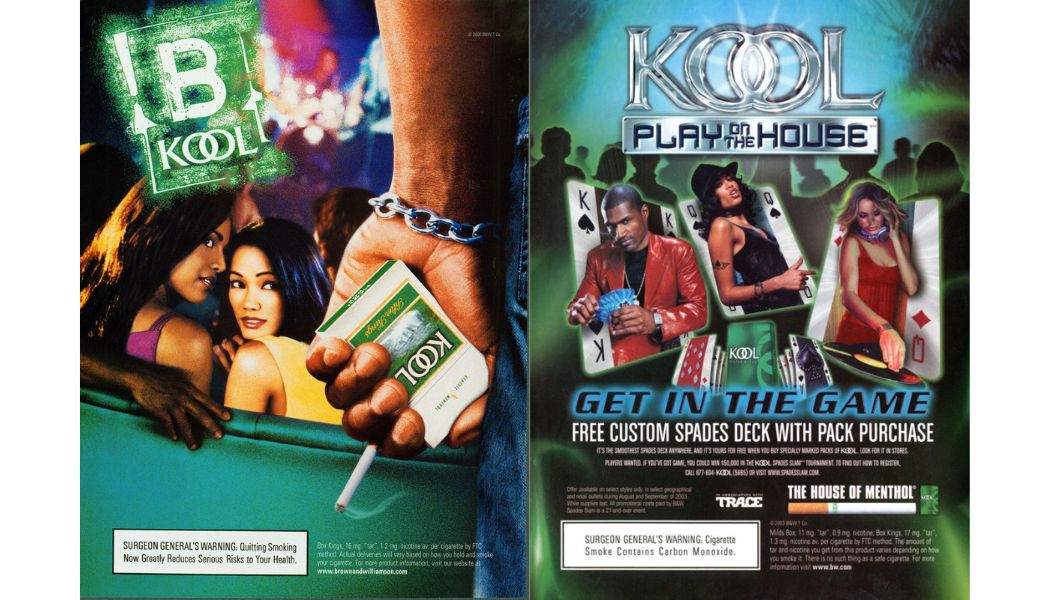
Tobacco companies did not just use marketing to retain customers, but also by offering incentives. In these ads, incentives like a free custom spaded deck was offered, not only offering something for free, but offering something that would fit into that “coolness” factor. Other incentives included branded bags, clothing, camping gear, and sometimes even tokens [21].
2010s
Around 2015, there was a shift in products. Less people were using cigarettes due to public health prevention programs, and tobacco companies struggled with how to keep their customers addicted.

In came the first electronic nicotine delivery stems (ENDS). JUUL advertised itself as lower risk than cigarettes, used fun colors and flavors, and was marketed as discrete. These elements made JUUL products enticing to youth, along with the gamification of electronic devices. In 2025, the Vape-o-Gotchi was released, a marriage between vape devices and Tamagotchi, which requires the user to continue to vape in order to keep their online pet alive [22]. This not only makes vaping a game, but also causes a relationship to develop between a vape and the user, pulling on young peoples’ empathy and humanity.

JUUL was also popularized due to their use of flavored vaping devices, including flavors like mint, mango, and even creme brulee. This directly contrasted complaints about cigarettes, that they smelled and tasted bad, and made e-cigarettes appealing to both youth and adult smokers.

JUUL was just the start. Since 2015, several companies have come out with e-cigarettes or vapes, constantly changing the product and marketing to target young people. Vape brands often utilize emojis, cute colors, and on-trend flavors to entice young customers. Paired with advertising themselves as “daily oasis in your palm” tells the false narrative that vaping nicotine helps relieve stress (which we know isn’t true!).
2020s
Due to longitudinal data detailing the health impacts of cigarettes, and now electronic nicotine delivery systems (also referred to as vapes), the world began to turn its back on nicotine. Through the work of public health researchers and prevention professionals, we learned how to address the vaping crisis rapidly. In response, tobacco companies began to scramble again, focusing on making nicotine products marketable again. This was done with the creation of nicotine pouches. Nicotine pouches emulate breathmints by being mint flavored, appearing as mints or gum (both in actual product and the canaster), making this product discrete and allowing tobacco companies to get away with “cleaning” the perceived risk away.
Much of the marketing is targeting youth and young adults, mainly emphasizing its ability to be discrete and its smoke-free nature. Various nicotine pouch companies have also utilized purchasing incentives, offering points/prizes available when scanning a nicotine pouch container. The marketing and product placement has also been specifically targeting high school boys who play sports like baseball and lacrosse [23].
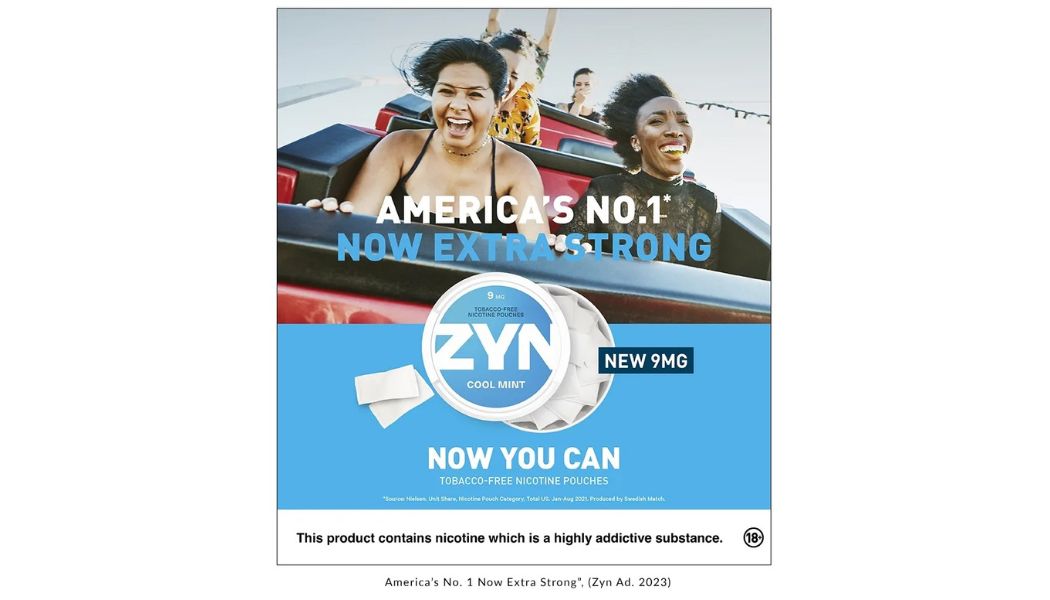
Not only are more traditional media ads used to promote nicotine pouches (commercials, ads at gas stations, billboards, etc.), but the use of newer media like Instagram and TikTok. Prior to 2020, nicotine ads began to utilize social media to market their products, using images or long-form videos. Now with the development of TikTok and the popularization of short-form content, companies are able to create short clips to attract their audience quickly.
Similar to the use of war commanders in the early 1990s, social media allows for the impact of influencers, people who are often idolized or seen as a trusted source. Influencers often fill their content with product reviews, whether disclosed and purposeful (paid to promote) or unintentional (through personal use/not sponsored). For nicotine pouches, both purposeful and casual use can influence youth to use these products.
The great fact is, despite the aggressive marketing strategies of Big Tobacco, the human spirit prevails. Even with the continuous introduction of new nicotine products, there remains a steady decline in cigarette use for youth over the past five decades, due to the exponential nature of anti-tobacco research and promotion. For overall nicotine use, there was an uptick in the use of ENDS from 2015-2018, but even then, once educated, kids began making informed and healthy decisions, thus, vaping declined approximately 12% since 201924. Every data point speaks to the reality that when adolescents are educated and informed, when they have access to knowledge and education, they make healthier decisions about their health and wellness for longer periods of time.
Adolescents today are one of the most informed generations, with increasing access to technology, granting them knowledge right at their fingertips. They advocate for not only their own health, but support and are protective of the health and wellness of their peers.
Ignorance is not bliss. Being aware of the past not only lets us acknowledge the deceitful ways companies have marketed their harmful products, but also informs us on how to protect ourselves and our community.
Sources:
[1] To read up on nicotine health impacts, read “Nicotine: Risks for Teens” on Prevention Academy’s EmpowerED Library!
[2] Britannica Editors. Chewing Tobacco. Encyclopedia Britannica. https://www.britannica.com/topic/chewing-tobacco. Published March 27, 2025. Accessed Aug 19 2026.
[3] The Bonsack Machine and Labor Unrest. ANCHOR: A North Carolina History Online Resource. https://www.ncanchor.org/anchor/bonsack-machine-and-labor#citation. Published 2008.
[4] A Trust to Bust: AMerican Tobacco Company Organized, 1890. North Carolina Department of Natural & Cultural Resources. https://www.dncr.nc.gov/blog/2016/01/31/trust-bust-american-tobacco-company-organized-1890. Published January 2016.
[5] The Makin’s of a Nation - Tobacco & World War I. The Center for the Study of Tobacco and Society. https://csts.ua.edu/wwi/the-call-for-cigarettes/. Accessed Aug. 19 2026.
[6] Stanford: Research into the impact of tobacco advertising. Collection: Early Years. https://tobacco.stanford.edu/cigarettes/targeting-women/early-years/. Accessed August 17, 2026.
[7] Stanford: Research into the impact of tobacco advertising. Collection: Early Years. https://tobacco.stanford.edu/cigarettes/targeting-women/early-years/. Accessed August 17, 2026.
[8] Effects of tobacco on health. World Health Organization: European Region. https://www.who.int/europe/news-room/fact-sheets/item/effects-of-tobacco-on-health. Published May 19, 2025.
[9] Tobacco Industry Research Committee. A Frank Statement to Cigarette Smokers. The Tobacco Leaf. Published January 1954. https://ia803205.us.archive.org/12/items/tobacco_ntmj0001/ntmj0001.pdf
[10] Warner KE. Smoking truth to smoking powers: Big business meets public health. University of Michigan: School of Public Health. https://sph.umich.edu/pursuit/2018posts/smoking-truth-to-smoking-powers.html. Published May 9 2018. Accessed Aug 19, 2026.
[11] Stanford: Research into the impact of tobacco advertising. Collection: Early Years. https://tobacco.stanford.edu/cigarettes/targeting-women/early-years/. Accessed August 17, 2026.
[12] Apollonio D & Glantz S. Minimum Ages of Legal Access for Tobacco in the United States From 1863 to 2015. American Journal of Public Health. 2016. 106. e1-e8. 10.2105/AJPH.2016.303172.
[13] Perry CL. The Tobacco Industry and Underage Youth Smoking: Tobacco Industry Documents From the Minnesota Litigation. Arch Pediatr Adolesc Med. 1999;153(9):935–941. doi:10.1001/archpedi.153.9.935
[14] Stanford: Research into the impact of tobacco advertising. Collection: Early Years. https://tobacco.stanford.edu/cigarettes/targeting-women/early-years/. Accessed August 17, 2026.
[15] Pucci LG, Siegel MFeatures of sales promotion in cigarette magazine advertisements, 1980–1993: an analysis of youth exposure in the United StatesTobacco Control 1999;8:29-36.
[16] New Jersey v. T.L.O., 469 U.S. 325, No. 83-712. (U.S. Supreme Court 1985).
[17] Pollay RW. Targeting Tactics in Selling Smoke: Youthful Aspects of 20th Century Cigarette Advertising. Journal of Marketing Theory and Practice. 1995;3(1): 1-22. http://www.jstor.org/stable/40469740
[18] Münzel T, Crea F, Rajagopalan S, Lüscher T. Nicotine and the cardiovascular system: unmasking a global public health threat. Eur Heart J. Published online December 18, 2025. doi:10.1093/eurheartj/ehaf1010
[19] Rees VW, Hatsukami D, Talhout R. Cigarette filter ventilation, product appeal and regulatory options: a review of the influence of ventilation on consumers’ sensory and risk perceptions. Tobacco Control 2026;35:250-256
[20] Rosewell Park: Comprehensive Cancer Center. Marketed as a “healthier” choice, “light” cigarettes now linked to rise in lung cancer. https://www.roswellpark.org/cancertalk/201707/marketed-healthier-choice-light-cigarettes-now-linked-rise-lung-cancer. Published July 6, 2017. Accessed Aug. 19, 2026
[21] Truth Initiative. How tobacco companies use experiential marketing. https://truthinitiative.org/research-resources/tobacco-industry-marketing/how-tobacco-companies-use-experiential-marketing. Published June 26, 2018. Accessed August 25, 2026.
[22] Gibson R. The Vape-o-Gotchu: When Play Meets Health. Prindle Post. https://www.prindleinstitute.org/2025/03/the-vape-o-gotchi-when-play-meets-health/. Published March 26, 2025. Accessed Sept. 8 2026.
[23] Sun T, Tattan-Birch H. Sports, Gigs, and TikToks: Multichannel Advertising of Oral Nicotine Pouches. Nicotine Tob Res. 2026;28(2):304-308. doi:10.1093/ntr/ntae188
[24] Miech, R. A., Patrick, M. E., O’Malley, P. M., Jager, J. O. and Jang, J. B. (2026). Monitoring the Future national survey results on drug use, 1975–2025: Overview and detailed results for secondary school students. Monitoring the Future Monograph Series. Ann Arbor, MI: Institute for Social Research, University of Michigan. Available at https://monitoringthefuture.org/results/annual-reports/
[25] Zajacova A, Lawrence EM. The Relationship Between Education and Health: Reducing Disparities Through a Contextual Approach. Annu Rev Public Health. 2018;39:273-289. doi:10.1146/annurev-publhealth-031816-044628