Energy
Sister Thea Bowman Hall
Sister Thea Bowman Hall, a six-story residence that houses more than 500 first-year students, opened its doors in the fall of 2025. The state-of-the-art building offers residents a greener, healthier and more sustainable living experience through the following eco-friendly innovations.
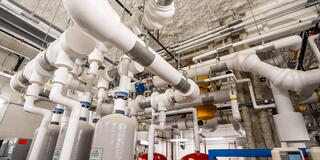
- Geothermal Energy: Utilizing the Earth's natural heat, geothermal wells provide efficient and sustainable heating and cooling.
- Solar Power: A cutting-edge solar system also helps power the building, reducing the University’s carbon footprint and saving energy costs.
- Bioretention Basin and Underground Stormwater Retention Systems: These innovative systems help manage stormwater runoff, improve water quality and create beautiful green spaces.
- Material Reuse: Trees removed during construction were repurposed into furniture through Saint Joseph’s partnership with a local nonprofit.
- LEED Certification: The University’s commitment to sustainability is further solidified by pursuing LEED certification, a globally recognized standard for green buildings.
Check out a live energy dashboard showing the building's monthly usage below.
Remote July
SJU's Remote July initiative reflects the University’s commitment to environmental sustainability while providing meaningful flexibility for employees. Many employees may work remotely throughout the month of July to reduce campus energy consumption during one of the warmest and most energy-intensive months of the year.
Demand Response
Each year, Saint Joseph’s University executes approximately 10 load shedding events where the Operations team requests that employees and students on campus reduce electrical usage as much as possible without adversely impacting regular operations. These load shedding events typically occur on exceptionally hot, humid days — often at the end of a heat wave. All students and employees at our campus locations are required to comply with a reduction in electrical usage:
- Ensure all exterior doors and windows are closed.
- Close blinds on windows with direct sunlight to prevent the sun from heating your workspace.
- Turn off unnecessary lights and use task lighting or indirect natural light instead of room lighting.
- Turn off unused/unnecessary equipment and appliances (computers, copiers, coffee makers, etc.)
- Use the battery on your laptop if you have one.
- If you have local control, turn off AC in unoccupied spaces and increase the temperature setting in occupied spaces.
- If possible, work remotely or shift your work day earlier.