New SJU Course Puts Students on the Frontlines of Cell and Gene Therapy with Grant-Supported, Commercial-Grade Equipment
With grant-backed access to industry-grade technology, Saint Joseph’s students gain practical skills that set them apart in the growing biotech sector.
Can cancer and genetic disorders be cured?
For decades, that question has challenged scientists and doctors. Each year, millions of people worldwide are diagnosed with conditions that require aggressive treatments like chemotherapy and radiation.
Today, advances in cell and gene therapy are offering new hope.
These therapies target diseases at their root by modifying cells or genetic material. For example, CAR T-cell therapy reprograms a patient’s own immune cells to recognize and destroy cancer.
As this scientific revolution accelerates, so does the need for a highly trained workforce capable of developing, manufacturing and delivering these complex therapies. That growing demand helped shape Saint Joseph’s newest cell and gene therapy course, Advanced Pharma Analysis (PHS 714), designed to prepare students for careers at the forefront of medicine.
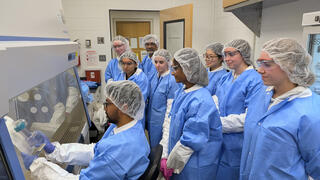
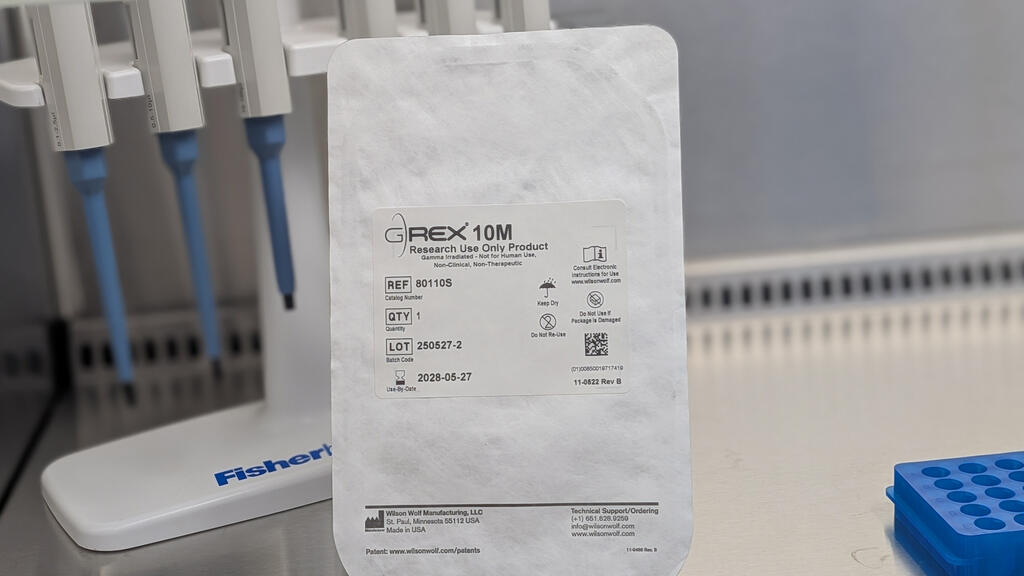
With support from a $50,000 G-Rex® Grant from ScaleReady, students in the course will have access to the same manufacturing equipment used in commercial cell therapy production facilities. The course is currently offered to graduate students, with plans to expand to undergraduates by 2028.
“Saint Joseph’s can become a cell and gene therapy training hub,” says Isabelle Mercier, PhD, associate professor and chair of the Department of Pharmaceutical Sciences in the Philadelphia College of Pharmacy. “Students will gain the skills they need to succeed from day one on the job.”
The course arrives at a pivotal moment in medicine.
On Jan. 11, the U.S. Food and Drug Administration announced a more flexible approach to regulating cell and gene therapies, which is expected to speed up development and bring new treatments to patients faster. Meanwhile, regional employment in cell and gene therapy companies grew 127% between 2019 and 2022, according to the Chamber of Commerce for Greater Philadelphia.
Saint Joseph’s can become a cell and gene therapy training hub. Students will gain the skills they need to succeed from day one on the job.
Isabelle Mercier, PhD
Associate Professor and Chair of the Department of Pharmaceutical Sciences in the Philadelphia College of PharmacyDespite regulatory progress, Isaac Hutchinson, BS ’19, adjunct professor in the Department of Pharmaceutical Sciences, says the biggest barrier remains the high cost of these treatments. For example, a one-time gene therapy for a rare genetic skin disorder has a list price of $3.1 million.
“The largest driver of that price tag is the inability to scale manufacturing,” says Hutchinson. “PHS 714 will help solve that problem by giving students hands-on cell manufacturing experience and training in quality standards and regulatory requirements.”
For Hutchinson, teaching the next generation of medical professionals is deeply personal. Years ago, his grandfather was diagnosed with glioblastoma, an aggressive brain cancer that had no cell therapy option at the time.
“My grandfather didn’t have the opportunity [to receive cell therapy],” says Hutchinson. “This work changes lives. It’s not a matter of if these therapies will be more broadly available, but when. The key limiting factor remains teaching people about this industry and how to operate the machines.”
Starting this month, Saint Joseph’s students will be able to learn just that.
To learn more about Saint Joseph’s Master of Science in Drug Development and Industrial Pharmacy (DDIP), visit sju.edu/ddip.